
In an age when success is often measured by professional achievements, social media visibility or financial accomplishments, Khisal Jafri represents a different and deeply meaningful definition of success: the ability to make a tangible difference in the lives of others. For nearly two decades, the Pune-based social worker, entrepreneur and community activist has devoted himself to supporting people who need help in healthcare, education and civic life. Jafri’s journey into social service began when he was just 20 years old. While he was a college student, he encountered the case of a student who was struggling to pay his educational fees. After helping resolve the problem, he realised that there were many talented young people whose ambitions were limited not by ability, but by financial circumstances. That experience became the foundation of his long-term commitment to education and social welfare.
Khisal Jalal Jafri is a Bachelor of Commerce (B.Com.) graduate and is listed professionally as a businessman in Pune. His educational background in commerce has been complemented by extensive grassroots experience. Rather than limiting himself to a conventional professional career, Jafri has used his organisational and entrepreneurial abilities to build networks capable of addressing practical problems faced by ordinary citizens. His approach has been particularly focused on two fundamental areas: education and healthcare.
Pune attracts students from across Maharashtra, different parts of India and even abroad. Many students arriving from rural or economically disadvantaged backgrounds face financial difficulties and lack guidance about education, examinations, accommodation and opportunities. Jafri and his associates have worked to help such students navigate these challenges. His initiatives have included scholarships for academically capable students from financially weaker backgrounds and assistance to students who might otherwise struggle to continue their education. For Jafri, scholarship is not merely financial assistance. It is an investment in a young person’s future and an opportunity to ensure that poverty does not become a permanent barrier to education.
One of the most significant chapters of Jafri’s social-service journey came during the COVID-19 pandemic, when Pune, like cities across India, faced an unprecedented shortage of oxygen, hospital beds and medical infrastructure. Jafri was associated with the Ahlebait Covid Helpline, which provided oxygen concentrators and oxygen-supported beds to patients at home. A 2021 report by The Times of India noted that the initiative had 10 oxygen concentrators at the time, with additional machines expected, and operated with a team that included doctors and psychology students who helped counsel patients and their families.
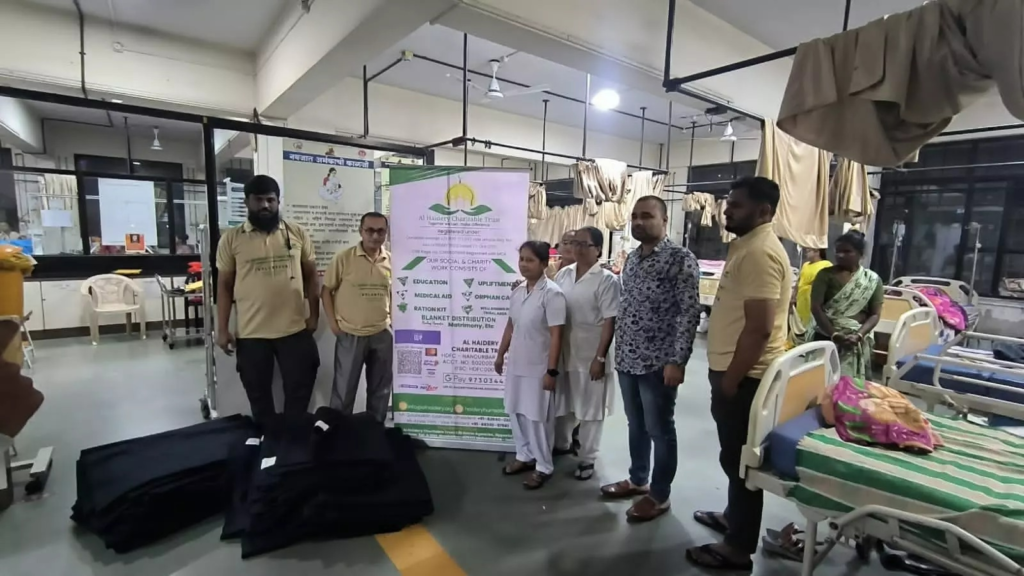
The initiative was particularly valuable for families struggling to find hospital beds. Oxygen concentrators could be delivered to patients at home, giving families crucial support during a period when medical resources were under severe pressure. Jafri’s commitment to healthcare did not end with the pandemic. He and his team have spent around a decade providing oxygen machines, beds and other medical equipment free of cost to needy patients. They also assist eligible families in accessing government healthcare schemes, including the Mahatma Jyotirao Phule Jan Arogya Yojana. His philosophy is simple: access to basic healthcare should not depend solely on a person’s financial circumstances.
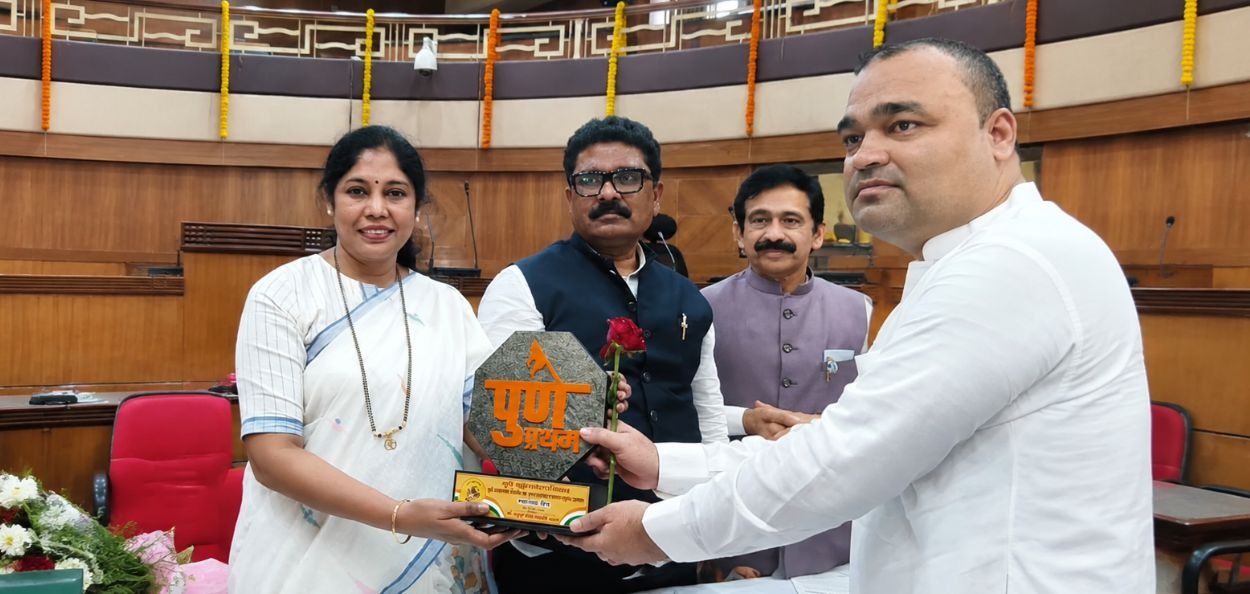
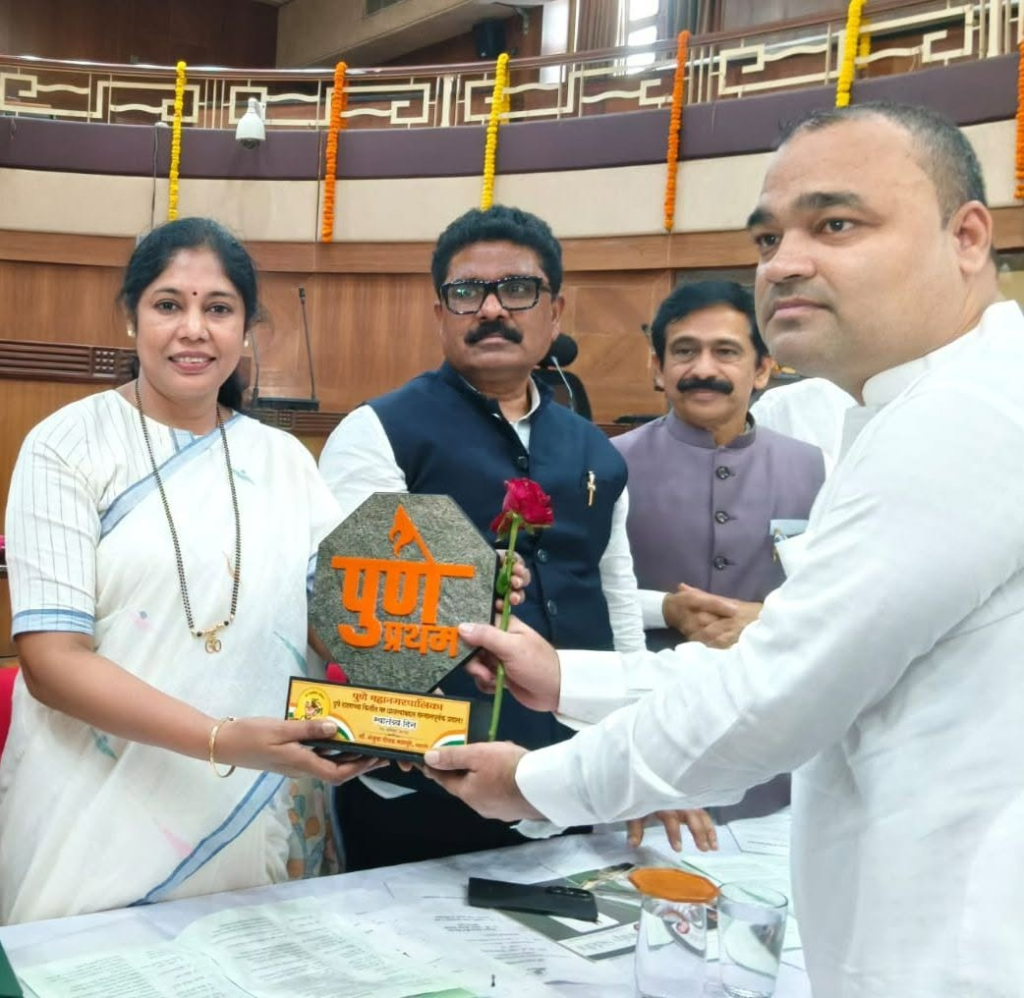
Jafri’s sustained contribution to society received significant recognition in August 2026 when the Pune Municipal Corporation (PMC) honoured him with the “Pune Pratham Sammanchinha” (Pune First Badge of Honor). The award was presented by Pune Mayor Manjusha Nagpure on the occasion of India’s 80th Independence Day. According to Awaz-The Voice, the PMC specifically recognised his contribution to providing free oxygen and medical equipment and his broader commitment to civic and social service. For Jafri, however, the award appears less like an endpoint and more like encouragement to continue his work. He has described the recognition as giving him greater strength for future initiatives.
The story of Khisal Jafri is ultimately a story about turning personal privilege and opportunity into public responsibility. From helping a single student with an education fee to supporting scholarships, from providing oxygen during the COVID-19 crisis to supplying medical equipment to needy families, his journey demonstrates how sustained grassroots action can create meaningful social impact. His recent recognition by the Pune Municipal Corporation is therefore significant not simply because it is an award, but because it acknowledges nearly two decades of work that often happens away from the spotlight.
Khisal Jafri’s journey offers a powerful message: real success is not only about what one achieves for oneself, but also about how many lives become easier, healthier and more hopeful because of one’s efforts.