
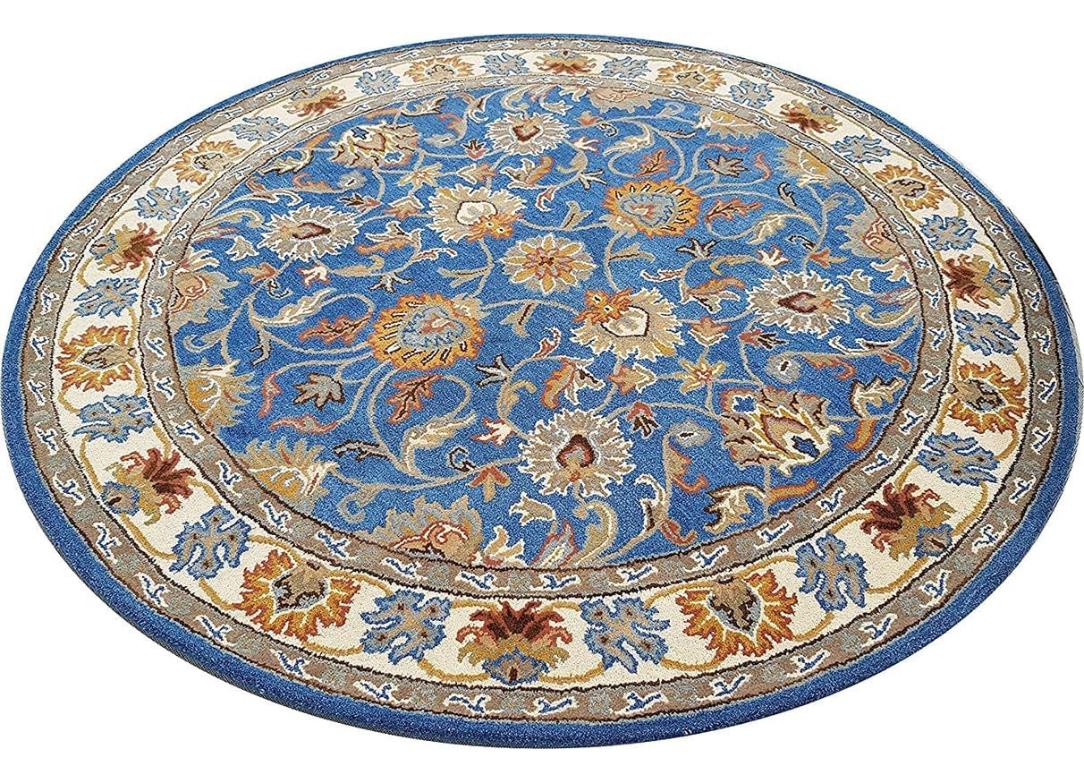
India’s rich cultural heritage is reflected not only in its monuments, languages, and traditions but also in the extraordinary craftsmanship of its artisans. Among the finest examples of this craftsmanship are the world renowned handmade carpets of Bhadohi, a city in Uttar Pradesh popularly known as the “Carpet City of India.” For generations, thousands of skilled artisans many of them from the Muslim community have dedicated their lives to preserving and promoting this remarkable art form, helping India earn international recognition in the global carpet industry.
Bhadohi’s handmade carpets are celebrated across the world for their exceptional quality, intricate designs, durability, and artistic excellence. Every carpet is painstakingly hand-knotted by skilled craftsmen who spend weeks, and sometimes months, creating masterpieces that combine traditional techniques with contemporary aesthetics. The result is not merely a floor covering but a work of art that reflects India’s rich cultural legacy. One of the most remarkable aspects of Bhadohi’s carpet industry is the role played by Muslim artisans and entrepreneurs. Their craftsmanship, dedication, and entrepreneurial spirit have transformed Bhadohi into one of the world’s most important centers for handmade carpet production. Through their work, they are not only sustaining a centuries-old tradition but also serving as cultural ambassadors of India across international markets.
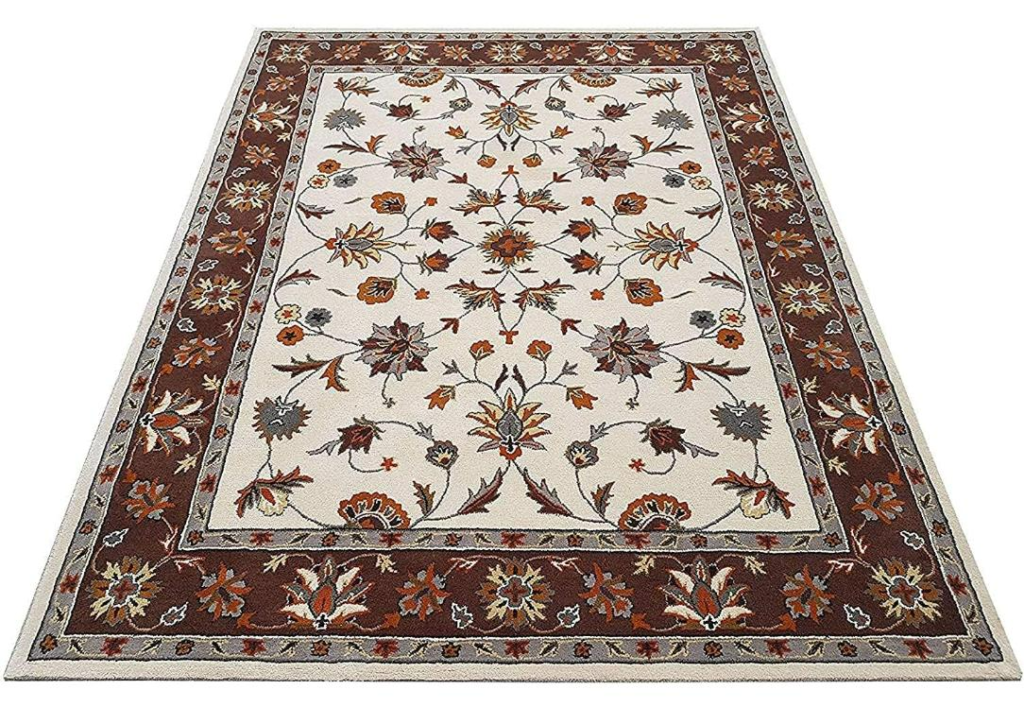
The history of carpet weaving in Bhadohi dates back several centuries and is often linked to the Mughal era, when Persian-inspired carpet-making techniques were introduced to the Indian subcontinent. Over time, local artisans adapted these techniques, creating unique designs that blended Indian motifs with international influences. Today, Bhadohi carpets feature stunning floral patterns, geometric shapes, garden themes, animal motifs, and modern artistic designs that appeal to customers worldwide. A major milestone for the industry came in 2010 when Bhadohi Handmade Carpets received the prestigious Geographical Indication (GI) Tag. This recognition affirmed the authenticity, uniqueness, and heritage value of Bhadohi carpets, further enhancing their reputation in international markets. The GI tag assures buyers that they are purchasing a genuine product crafted by skilled artisans from the region.
The demand for Bhadohi carpets continues to grow in countries such as the United States, Germany, France, the United Kingdom, Canada, Australia, and several nations in the Middle East. International buyers value these carpets for their superior craftsmanship, use of high-quality wool and natural fibers, elegant designs, and long-lasting durability. Many luxury hotels, corporate offices, museums, and private residences across the world proudly display carpets woven by the artisans of Bhadohi. The success of Bhadohi’s carpet industry has also contributed significantly to India’s export economy. The sector generates employment for thousands of families and supports an extensive ecosystem of designers, weavers, dyers, traders, and exporters. In many villages around Bhadohi, carpet weaving remains a family tradition, with skills passed down from one generation to the next. This continuity has helped preserve an invaluable cultural heritage while creating sustainable livelihoods.
Among the respected names in the industry is “Ansari Carpet”, led by entrepreneur Meraj Ahmed Ansari. Through his commitment to quality, innovation, and customer satisfaction, Meraj Ahmed Ansari has helped showcase the excellence of Indian handmade carpets on the global stage. His work reflects the spirit of countless artisans who combine traditional craftsmanship with modern business practices to meet the expectations of international buyers.
Speaking about his profession and his country, Meraj Ahmed Ansari says:
“Every handmade carpet woven in Bhadohi carries a story of dedication, skill, and tradition. When our carpets reach homes and institutions across the world, they carry with them a piece of India’s culture and craftsmanship. We are proud to represent our country through our work. Our goal is not only to create beautiful carpets but also to strengthen India’s reputation as a global center of excellence in handmade products.“
His words capture the essence of Bhadohi’s carpet industry a sector where craftsmanship, culture, and national pride come together. The success of businesses like Ansari Carpet demonstrates how local traditions can achieve global recognition when supported by hard work, innovation, and a commitment to quality.
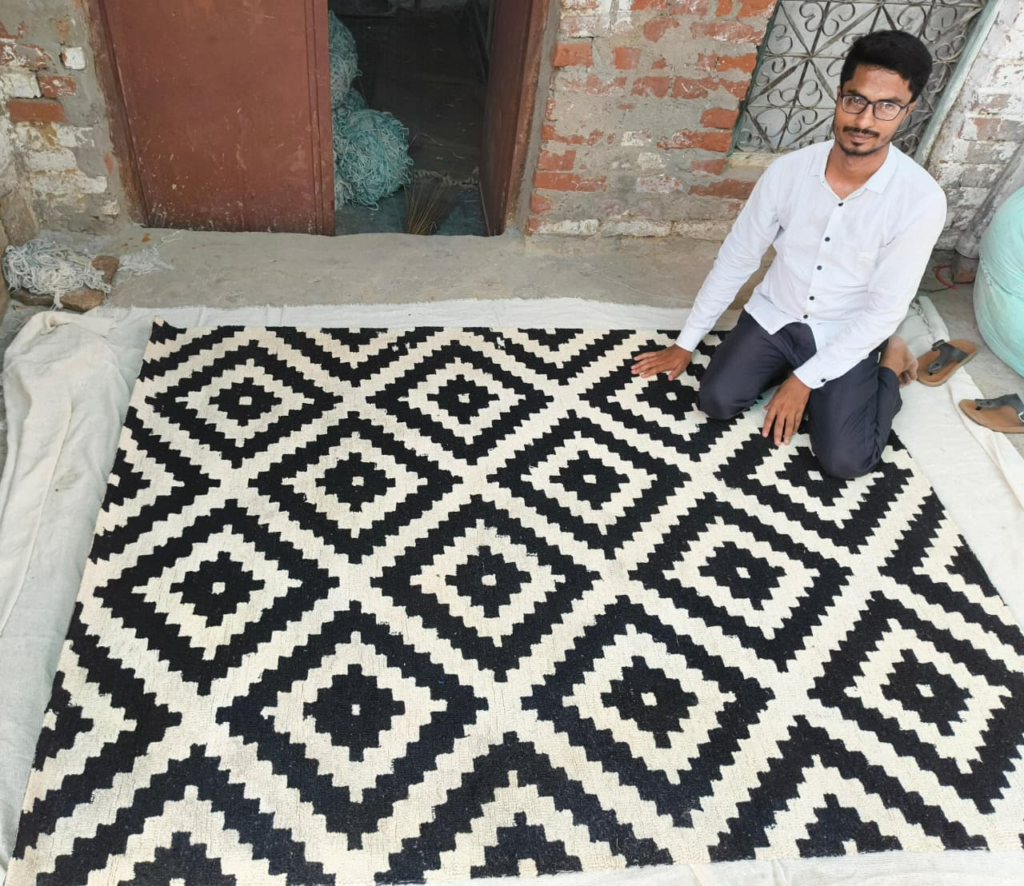
At a time when machine-made products dominate many markets, Bhadohi’s artisans continue to prove the enduring value of handmade craftsmanship. Their carpets are admired not only for their beauty but also for the human skill and cultural heritage woven into every knot. These artisans, many of whom belong to the Muslim community, are making a significant contribution to India’s economy, preserving traditional knowledge, and enhancing the country’s image abroad. The story of Bhadohi is ultimately a story of India itself—diverse, creative, resilient, and globally respected. Through their artistry and dedication, the Muslim carpet makers of Bhadohi are glorifying India on the international stage, one handmade carpet at a time. Their work stands as a shining example of how traditional craftsmanship can connect cultures, create opportunities, and strengthen India’s place in the global marketplace.