
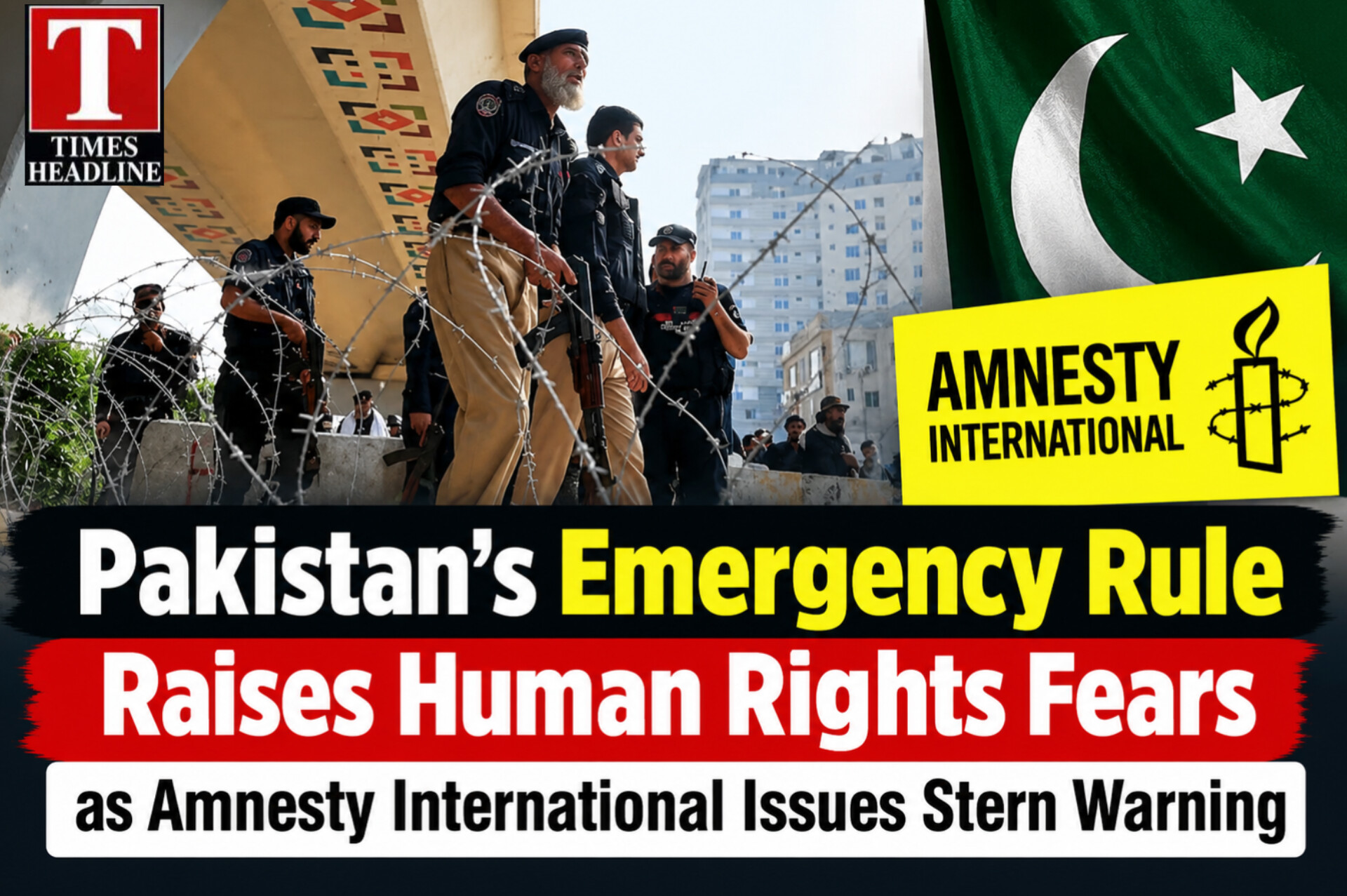
Islamabad: Pakistan’s decision to impose emergency rule in Khyber Pakhtunkhwa has triggered serious concerns over human rights, democratic governance and the future of political freedoms in the country. Amnesty International has warned Pakistani authorities against using extraordinary constitutional powers to target political opponents, suppress dissent or impose unjustified restrictions on fundamental rights.
The warning comes after President Asif Ali Zardari approved a state of emergency, governor’s rule and the deployment of the military in the northwestern province on October 11, 2026. The move has intensified an already bitter political confrontation between the federal government and Pakistan Tehreek-e-Insaf (PTI), the party of jailed former Prime Minister Imran Khan.
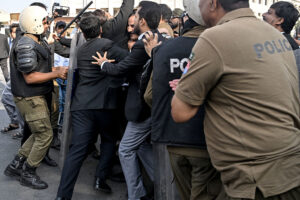
In a statement issued on October 12, Amnesty International expressed concern over reports of arbitrary detentions of prominent political leaders, including the provincial chief minister, as well as disruptions to internet services. The organisation said these developments raised serious questions about the necessity and proportionality of the emergency measures.
Amnesty Warns Against Abuse of Extraordinary Powers
Babu Ram Pant, Amnesty International’s Deputy Director for South Asia, emphasised that an emergency declaration must not become an excuse for human rights violations or the concentration of political power.
The organisation acknowledged that governments may face exceptional security challenges, but stressed that emergency measures must remain subject to legal safeguards and international human rights standards.
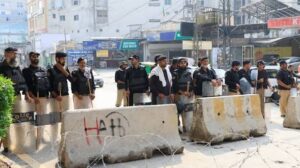
Amnesty’s warning highlights a fundamental democratic principle: national security cannot be used as a blanket justification for arbitrary arrests, restrictions on peaceful political activity or the silencing of opposition voices.
The organisation has urged Pakistan’s federal authorities to ensure independent oversight of all actions undertaken under the emergency framework. Any restrictions on civil liberties, it said, must be strictly necessary, proportionate and consistent with applicable legal obligations.
The warning is particularly significant given Pakistan’s history of political instability, civil-military tensions and allegations of human rights abuses during security operations.
Military Deployment Raises Concerns
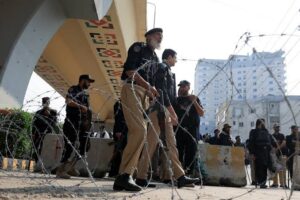
Amnesty International has expressed particular concern about the deployment of the Pakistani military in Khyber Pakhtunkhwa, a province that has experienced prolonged security challenges and militant violence.
The organisation referred to past allegations of enforced disappearances and extrajudicial executions associated with military counterterrorism operations. It cautioned that an expanded military role in civilian affairs could increase the risk of unlawful use of force unless appropriate accountability mechanisms were maintained.
Amnesty called on the authorities not to use military personnel for routine policing duties and insisted that all security personnel must remain accountable under international human rights law.
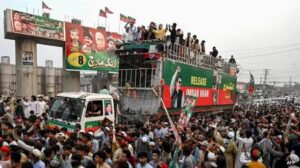
The issue carries considerable importance for residents of Khyber Pakhtunkhwa, where counterterrorism operations have frequently intersected with questions of civilian safety, political representation and accountability.
While the Pakistani government maintains that extraordinary measures are necessary to address the deteriorating security situation, human rights advocates argue that security operations must not undermine the rights of the very population they are intended to protect.
How Emergency Rule Changed the Political Landscape
President Zardari approved the federal cabinet’s recommendations under Articles 232 and 234 of Pakistan’s Constitution, citing an unprecedented increase in terrorist attacks and what the government described as a breakdown of constitutional machinery in the province.
Under the arrangement announced by the authorities, the provincial government’s powers were transferred to federal oversight, with the governor and an advisory council tasked with administering the province. The chief minister and provincial ministers ceased to exercise their previous executive authority.
The federal government also deployed the military in aid of civil powers under Article 245.
The decision effectively suspended the functioning of the PTI-led provincial administration, which had governed Khyber Pakhtunkhwa since 2013. Following the 2024 general elections, PTI had formed its latest provincial government with a two-thirds majority, making the emergency a major turning point in the province’s political history.
The federal government has defended its action on security grounds, accusing the provincial leadership of failing to cooperate adequately in counterterrorism efforts. PTI, however, has rejected the move, portraying it as a politically motivated attempt to undermine its elected government.
The competing claims have deepened the confrontation between Islamabad and Khan’s party, raising questions about provincial autonomy, constitutional accountability and the relationship between civilian institutions and the military.
Security Challenges and Democratic Accountability
Khyber Pakhtunkhwa occupies a strategically sensitive position along Pakistan’s border with Afghanistan. The province has faced persistent militant violence, making security a central concern for both provincial and federal authorities.
However, the challenge confronting Pakistan extends beyond the immediate security situation. The government must demonstrate that its response to militancy is effective without compromising democratic institutions or fundamental freedoms.
Emergency provisions may provide governments with exceptional powers in extraordinary circumstances, but their implementation requires transparency, judicial scrutiny and safeguards against political misuse.
Independent monitoring of arrests, access to legal representation, protection against unlawful detention and accountability for security personnel will be essential to maintaining public confidence.
Internet disruptions also raise concerns about citizens’ ability to access information, communicate freely and participate in public debate during a period of political uncertainty.
A Critical Test for Pakistan
Amnesty International’s intervention places Pakistan’s emergency measures under renewed international scrutiny. Its warning underscores the need to distinguish legitimate security requirements from actions that could weaken democratic accountability.
The coming days will be crucial in determining whether emergency rule remains limited to addressing the security crisis or becomes a source of further political repression.
For Pakistan, the challenge is twofold: confronting militant violence while preserving constitutional government, political pluralism and the fundamental rights of its citizens.
The central question remains whether emergency powers will be used to rest ore stability or deepen the country’s existing political and human rights crisis.