
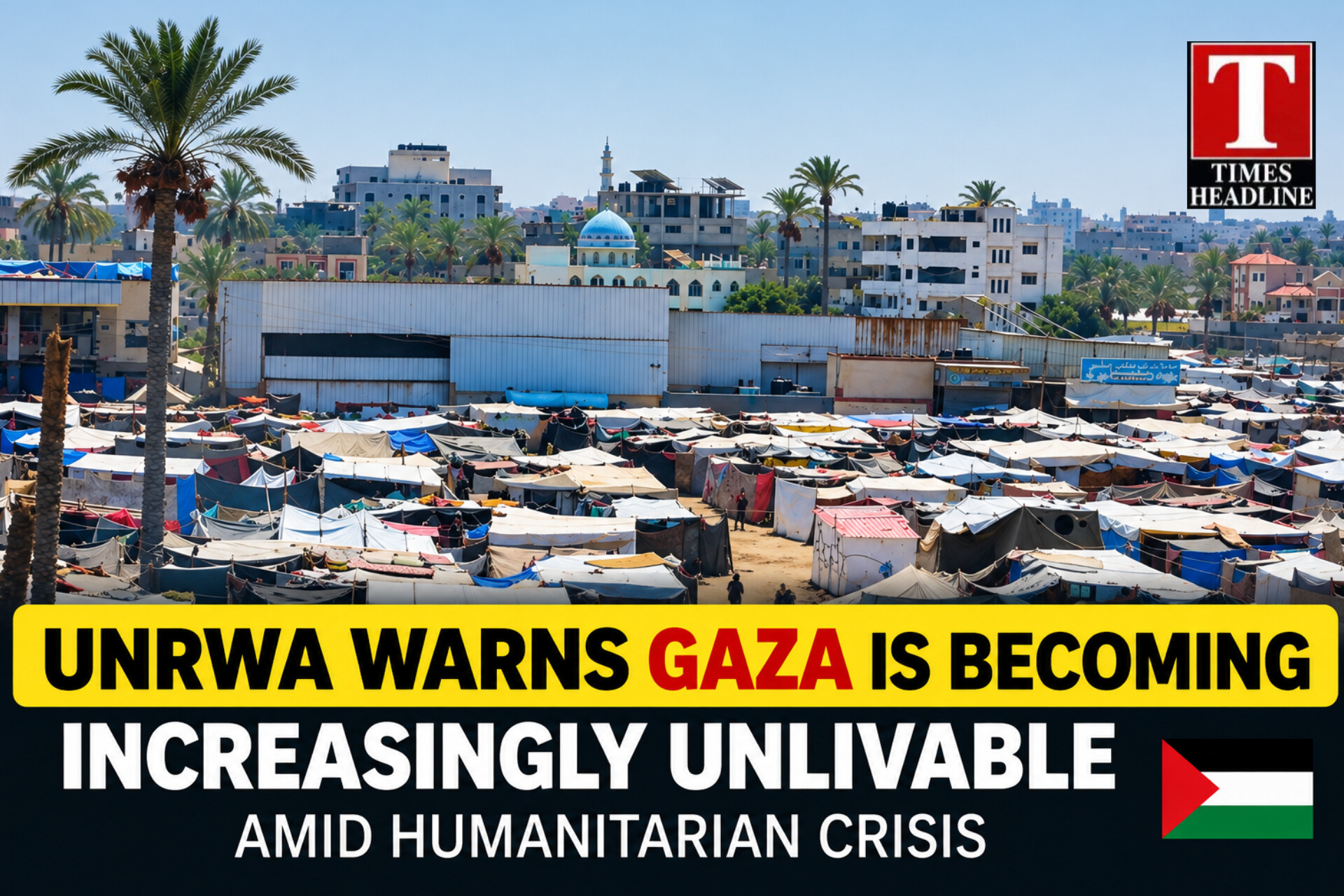
The United Nations Relief and Works Agency for Palestine Refugees (UNRWA) has warned that Gaza Strip is becoming “an increasingly unlivable place for humans” as shortages of medical supplies, widespread sewage contamination and the long-term effects of malnutrition deepen the humanitarian crisis.
UNRWA’s director of health, Dr. Akihiro Seita, described the deteriorating conditions in an online interview with Japan’s Jiji Press, warning that Palestinians continue to face severe health and humanitarian challenges despite previous ceasefire agreements.
Seita said restrictions on the delivery of essential medical supplies had left health services struggling to meet the population’s needs, while deteriorating sanitation conditions were increasing the risk of infectious diseases.
More than 75% of Gaza’s population is exposed to open waste and raw sewage, according to figures cited in the interview. The contamination has contributed to a rise in skin conditions and heightened concerns over waterborne diseases.
The crisis has further strained an already devastated healthcare system, leaving vulnerable groups, including children, at greater risk.
Seita also highlighted the long-term consequences of severe malnutrition among infants during periods of acute food shortages.
Around 2 million displaced Palestinians have been concentrated in a limited humanitarian zone covering approximately 30% of the Gaza Strip, Seita said. Many families are living in overcrowded tents under inadequate sanitation and shelter conditions, with limited access to clean water, healthcare and other essential services.