
Reading time : 1 minutes
Friday Musings
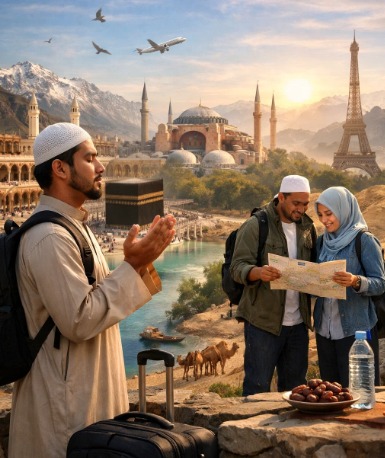
Travelling has long held a significant place in Islamic tradition, serving purposes that extend beyond leisure to include worship, trade, education, and reflection. Islamic teachings emphasise that travel, when guided by sincere intention and ethical conduct, can become a form of worship.
The Qur’an repeatedly encourages believers to journey through the earth and reflect on the signs of Allah, urging them to learn from the diversity of creation and the rise and fall of past civilisations. Scholars note that such experiences help deepen faith, cultivate humility, and increase awareness of Allah’s blessings.
Historically, many companions of the Prophet Muhammad undertook long and difficult journeys to seek knowledge, earn a lawful livelihood, strengthen family ties, and perform acts of worship such as Hajj and Umrah. These journeys were regarded as opportunities for spiritual growth rather than distractions from faith.
Islam places strong emphasis on intention. Before travelling, Muslims are encouraged to clarify their purpose—whether for work, education, family visits, leisure, or worship—so that the journey aligns with obedience to Allah.
Preparations recommended before travel include settling debts, ensuring family members are provided for, seeking parents’ blessings, packing modest clothing suitable for prayer, and planning carefully to avoid unnecessary hardship. Islamic teachings also encourage organisation and early departure as part of balanced and responsible conduct.
Supplication (du‘a) plays a central role in Islamic travel etiquette. Specific prayers are recommended before departure, seeking safety, ease, and protection. These supplications reinforce the belief that ultimate security comes from Allah, even when modern means of transport are available.
While Islam grants travellers certain concessions—such as shortening and combining prayers—prayer itself is never abandoned. Maintaining prayer during travel preserves a believer’s spiritual connection and sense of discipline.
Good character remains essential while on the move. Muslims are reminded that they represent their faith wherever they go, and are encouraged to display patience, honesty, politeness, and respect toward others. Maintaining halal dietary practices, modest dress, and moral behaviour is also stressed, with scholars noting that travel can be a test of sincerity and self-discipline.
Islamic teachings further promote kindness to fellow travellers, respect for local cultures, and care for the environment. As caretakers of the earth, Muslims are advised to avoid waste, pollution, and harm to animals, leaving places better than they were found.
Upon returning home, gratitude to Allah is emphasised. Completing a journey safely is viewed as a blessing, and sharing experiences in a way that inspires reflection and learning—rather than pride—is encouraged.
Islamic scholars conclude that meaningful travel should leave a believer more conscious of Allah’s favours, more compassionate toward others, and more aware of life’s temporary nature.