
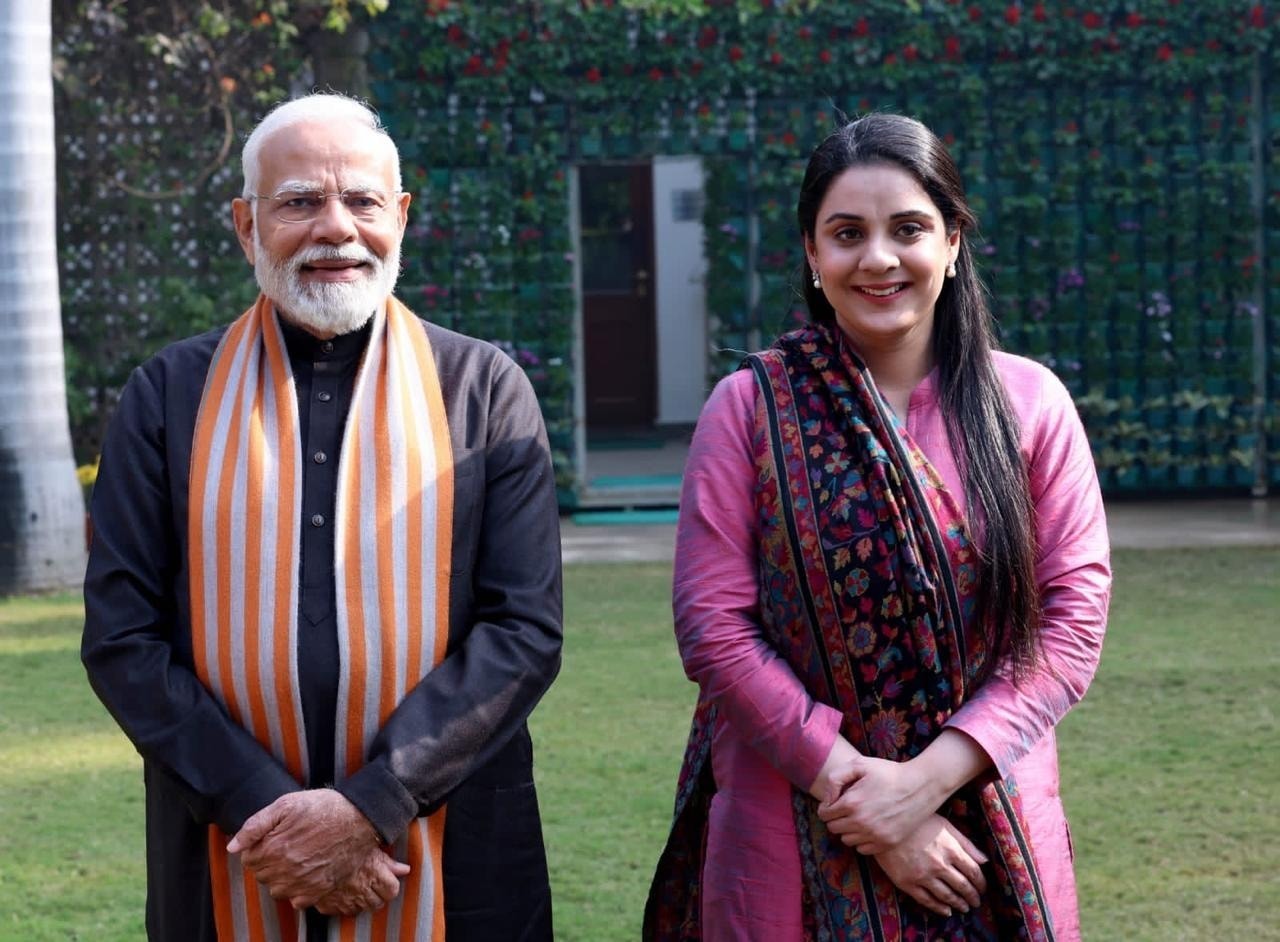
The rise of Kausar Jahan as the Chairperson of the Delhi Haj Committee is not just a political or administrative achievement it is a powerful story of courage, resilience, and the changing role of Muslim women in Indian public life. At a time when stereotypes continue to limit perceptions about women’s leadership, especially within minority communities, Kausar Jahan has emerged as a symbol of determination and hope. Her election as the head of the Delhi Haj Committee carries historic significance. She became only the second woman to occupy this important position, in Feb 2023 breaking barriers in a space traditionally dominated by men. More importantly, her success reflects the growing confidence and participation of Muslim women in leadership, governance, and social service. Kausar Jahan was born in Delhi into a family that is often perceived as affluent and influential. However, the reality is that she has faced severe trials in life.
What makes Kausar Jahan’s journey inspiring is not merely the position she holds, but the difficult path she travelled to reach there. Like many families across the world, her family suffered deeply during the COVID-19 pandemic. She lost both her parents during that painful period, a tragedy that emotionally shook her life. Alongside this personal loss, her family business also faced major setbacks, creating financial and emotional challenges simultaneously. For many people, such hardships could have become a reason to withdraw from public life. But Kausar Jahan chose a different path. Instead of surrendering to grief, she transformed adversity into strength. She rebuilt herself emotionally and dedicated her energy towards public service and community welfare. Her story therefore stands as an example of how resilience can transform personal suffering into social contribution.

Kausar Jahan has played a significant role in improving the management and administration of the Hajj pilgrimage process through her commitment to transparency, efficiency, and pilgrim welfare. Under her leadership, efforts have been made to streamline coordination between various stakeholders, address the concerns of pilgrims more effectively, and ensure better facilities and support services for Indian Hajis. Her focus on modernizing administrative procedures, enhancing communication with pilgrims, and promoting greater accountability has contributed to making the Hajj journey smoother and more organized. Kausar Jahan’s dedication to public service and her proactive approach have earned appreciation from many within the community, particularly for strengthening confidence in the Hajj management system.
Kausar Jahan is often described as a leader who combines humility with determination. People who interact with her frequently speak about her warm personality, approachable nature, and ability to connect with ordinary citizens. Unlike many public figures who remain distant from grassroots realities, she is known for listening to people with empathy and patience. This quality has earned her respect across communities and social groups. Her role in the Haj Committee is especially significant because the Haj pilgrimage is one of the most important spiritual journeys for Muslims. Managing Haj-related affairs requires administrative capability, coordination, and sensitivity towards the needs of pilgrims. Under her leadership, there is hope that the experience of pilgrims, especially women and elderly citizens, will become more accessible and compassionate.
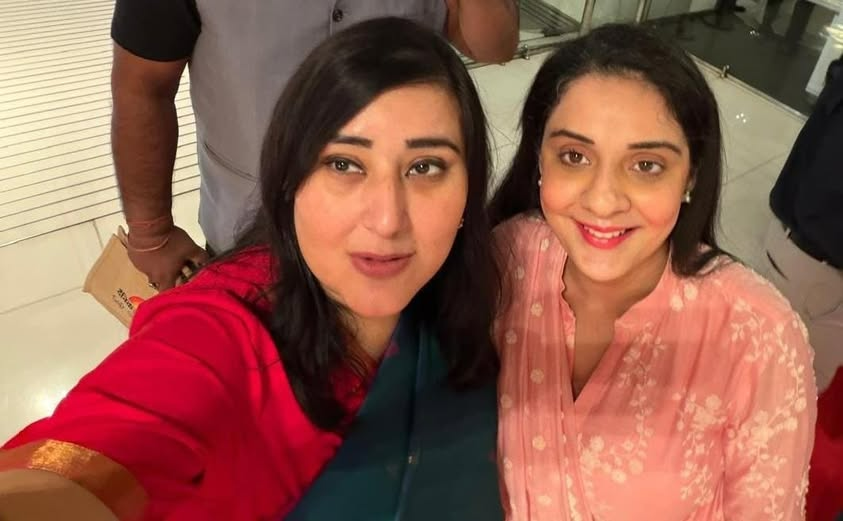
Beyond administrative responsibilities, Kausar Jahan has consistently supported initiatives related to women empowerment and social welfare. Her work encourages Muslim women to participate more actively in education, leadership, entrepreneurship, and nation-building. In a society where many women still hesitate to enter public spaces due to social pressures, her success sends a strong and encouraging message. Her journey also challenges the narrow stereotypes often imposed on Muslim women. For years, public discourse has frequently portrayed Muslim women only through the lens of victimhood or restriction. Kausar Jahan’s leadership breaks this narrative completely. She represents a generation of educated, confident, socially aware Muslim women who are actively shaping society and contributing positively to India’s democratic and institutional framework.
Another remarkable aspect of her personality is her commitment to India and its social harmony. Despite opportunities abroad, she chose to remain rooted in her country and work for the betterment of society here. Her vision is not limited to one community alone; rather, she advocates coexistence, inclusiveness, and positive engagement across communities. In many ways, Kausar Jahan’s rise reflects a broader social transformation taking place in India. More women, particularly from minority communities, are now stepping into leadership roles and challenging traditional assumptions. Their success is gradually redefining ideas of representation, participation, and empowerment.
Today, Kausar Jahan stands not only as the Chairperson of the Delhi Haj Committee but also as an inspiration for thousands of young women across the country. Her story reminds us that leadership is not inherited through privilege alone it is earned through resilience, sincerity, compassion, and the courage to rise after hardship.
At a time when society needs more voices of positivity and inclusion, Kausar Jahan’s journey offers exactly that: a message that barriers can be broken, stereotypes can be defeated, and service to humanity remains the highest form of leadership.