
Success is often measured by the size of a business, the scale of wealth or the position one reaches. But for Shabana Faizal, success has acquired a deeper meaning the ability to use business leadership, resources and influence to create opportunities for others. From beginning her professional journey in traditionally male-dominated workplaces, including a steel mill and data-entry work, to becoming the Co-founder and Vice Chairperson of KEF Holdings, Shabana Faizal has built a remarkable career that combines entrepreneurship with philanthropy. Her journey is particularly inspiring because she continued to pursue professional ambitions while raising a family and eventually transformed her entrepreneurial success into a platform for social development.
Born and raised in Mangaluru, Karnataka, Shabana Faizal pursued a degree in Psychology from St. Agnes College, Mangaluru, followed by a Diploma in Fashion Design and Merchandising from the National Institute of Fashion Design (NIFD), Dubai. Her early career was far removed from the corporate boardrooms she would eventually occupy. She worked in environments such as steel mills and data entry sectors that were overwhelmingly male-dominated at the time. These early experiences helped develop the resilience, adaptability and confidence that later became hallmarks of her entrepreneurial career. In 1995, Shabana began her entrepreneurial journey as a retailer of specialty and luxury products. After successfully running the venture for around eight years, she joined her husband, entrepreneur Faizal E. Kottikollon, in his industrial business, Emirates Techno Casting (ETC), in the UAE.
At ETC, Shabana took responsibility for human resources and administrative operations, playing an important role in building the organisation and contributing to its business success. Her experience demonstrated that leadership is not restricted to one particular sector or professional background it is built through the ability to understand people, manage challenges and create systems that work.
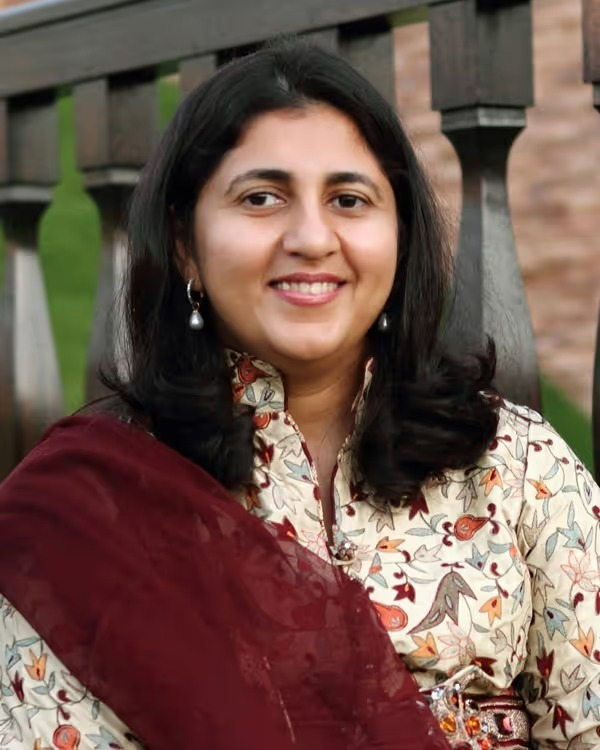
Shabana later became Vice Chairperson of KEF Holdings, a privately owned family enterprise with interests spanning infrastructure, healthcare, education, agriculture, metals and investments. In this role, she has been involved in guiding the company’s growth strategy and shaping its approach to innovation and social responsibility. Her professional journey is significant not merely because she reached a senior position, but because she entered industries traditionally dominated by men and established herself through experience, determination and leadership. Her career also reflects the evolution of women’s participation in business: from being part of operational and administrative functions to helping shape corporate strategy and long-term organisational vision.
One of the defining chapters of Shabana Faizal’s life began in 2007, when she and her husband established the Faizal & Shabana Foundation with the philosophy “Giving to Create Impact.” The Foundation focuses on long-term and sustainable interventions rather than one-time charity. Its areas of work include education and youth intervention, healthcare and wellness, community development, regenerative sustainable development, humanitarian assistance, and art, culture and heritage. According to the Foundation, its programmes have expanded across India and the Middle East, with the organisation reporting an impact of more than 2.5 million people across six countries and more than AED 80 million spent across its initiatives. The Foundation’s philosophy is particularly noteworthy: instead of viewing philanthropy simply as financial assistance, Shabana and her team have focused on creating sustainable systems through partnerships with governments, communities and other organisations.
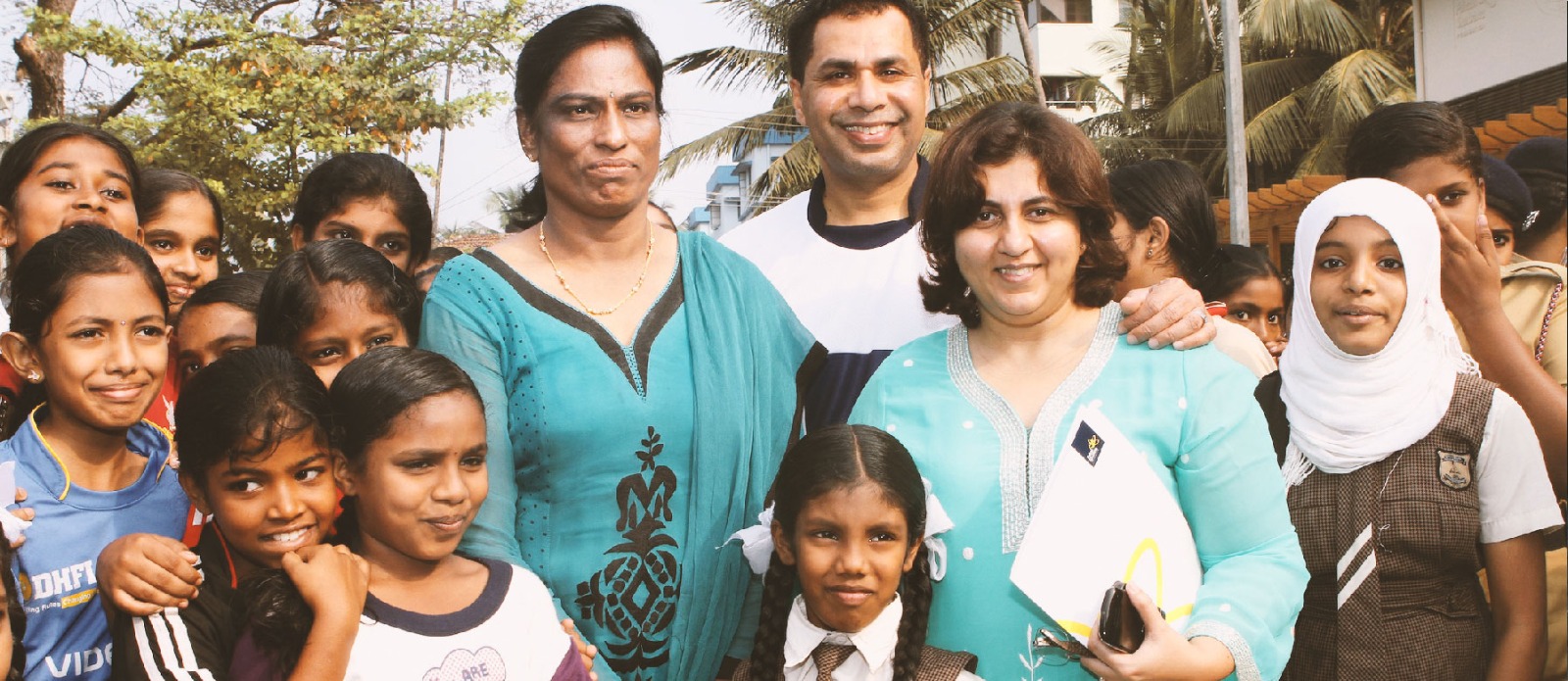
Perhaps the most powerful example of this approach is the transformation of the Government Vocational Higher Secondary School for Girls at Nadakkavu in Kozhikode, Kerala. The school, which had faced major infrastructure and educational challenges, underwent a dramatic transformation through the Foundation’s intervention. The project included improvements in infrastructure, facilities and educational practices, along with efforts to strengthen teacher training and the overall learning environment. What makes the Nadakkavu model particularly significant is that it demonstrated how government institutions, private philanthropy and local communities can work together.
The results were widely recognised. The school was ranked among the country’s top government schools by Education World, and the model subsequently influenced a much larger government-led effort. KEF reports that the Nadakkavu model was adopted for the upgrading of around 1,000 government schools in Kerala, potentially benefiting more than two million students. This is a powerful example of Shabana’s belief that philanthropy should not merely provide temporary relief it should create models that can be replicated and scaled.
Shabana’s social vision extends beyond schools. The Foundation has supported community development, healthcare, youth empowerment, sustainable livelihoods, humanitarian assistance and cultural initiatives. Its community-development work has included programmes designed to improve living conditions and create opportunities for vulnerable communities. The Foundation’s work in the UAE has also included the development of community facilities for workers, reflecting Shabana’s emphasis on dignity, skills development and quality of life. Her involvement in healthcare is another important dimension of her work. Shabana serves as a Director of Meitra Hospital in Kozhikode, which was developed around a patient-centric healthcare model and seeks to combine high-quality clinical care with ethical and compassionate service.
Shabana Faizal’s contribution to entrepreneurship, women’s empowerment and philanthropy has received recognition from several institutions.
Among the notable recognitions associated with her work are, American India Foundation Leadership Award Excellence in Entrepreneurship and Philanthropy, 2015, received jointly with Faizal Kottikollon, Women Empowerment Award, Chandrika, 2017, NRI Woman Entrepreneur Award, Kairali Media, Inspiring Icon Award, New Indian Express, 2018. Recognition associated with the Gulf Sustainability and CSR Award for the Foundation’s education and learning programme. The Nadakkavu school project itself also received recognition, with the school being ranked among India’s leading government schools in successive Education World rankings.
Shabana’s philanthropic journey reached another significant milestone in 2025, when she was recognised as the youngest woman among India’s top 10 women philanthropists in the EdelGive Hurun India Philanthropy List 2025. According to reporting on the list, around ₹40 crore was contributed through the Faizal & Shabana Foundation towards education, healthcare and social development. She was ranked 10th among the most generous women in the list. The recognition places Shabana alongside some of India’s most prominent women philanthropists and highlights the growing role of women entrepreneurs in shaping India’s culture of giving.
Shabana Faizal’s story is ultimately not only about becoming a successful business leader. It is about what she chose to do with that success. She moved from working in male-dominated environments to leading businesses at the highest level. She moved from entrepreneurship to institution-building. And she moved from philanthropy as giving to philanthropy as creating sustainable models of change. Her work demonstrates that a successful business leader can also be a catalyst for better education, healthcare, community development and women’s empowerment.
The transformation of the Nadakkavu government girls’ school perhaps captures her philosophy best: when government, private organisations, educators and communities work together, social change can move beyond individual projects and become a model for thousands. For Shabana Faizal, therefore, success is not simply about reaching the top it is about creating a pathway for others to rise with you.