
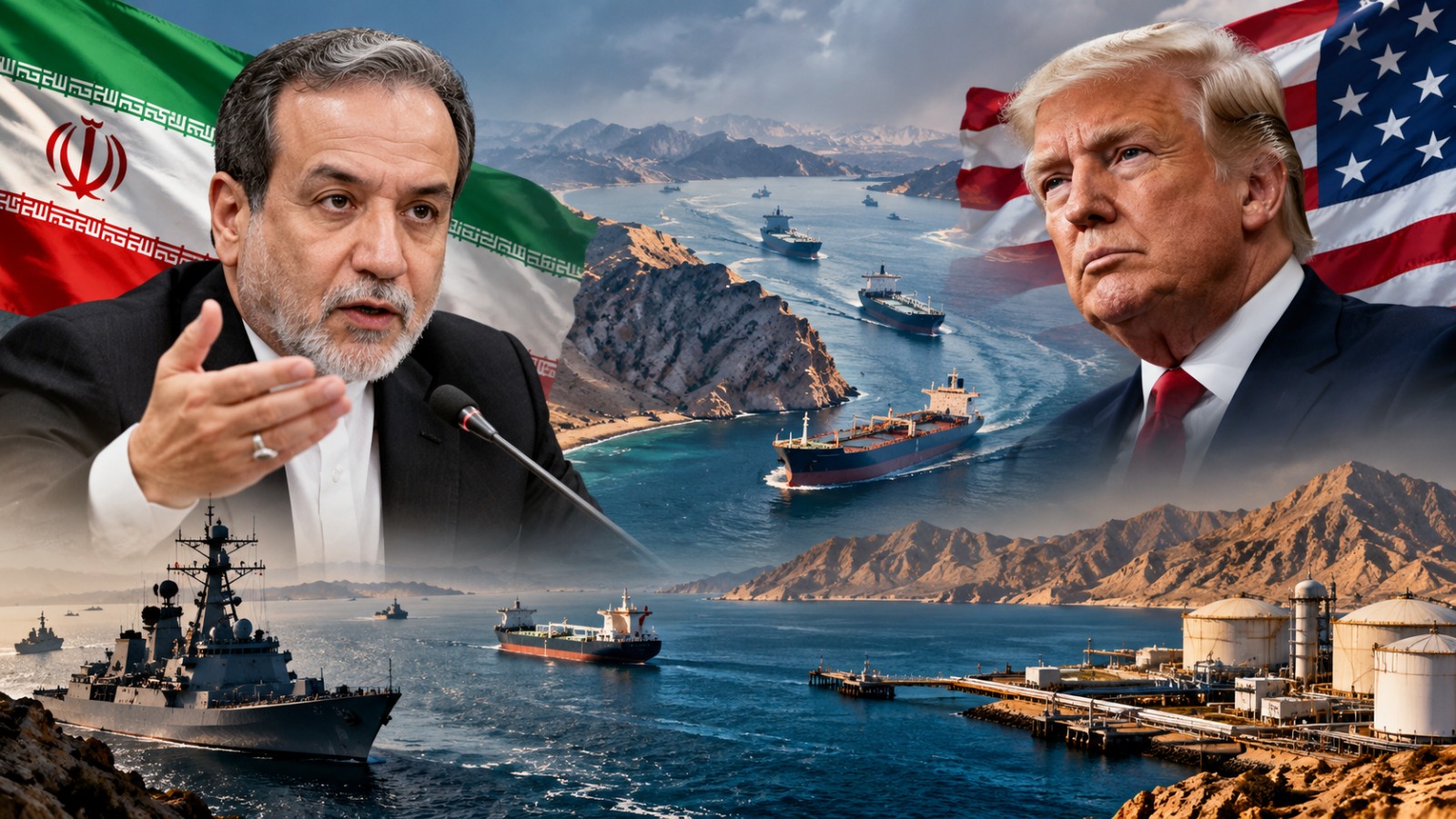
September 26, 2026. Iran has proposed a seven-day roadmap to reopen the strategically vital Strait of Hormuz and resume negotiations with the United States on a broader agreement to end the ongoing conflict. Iranian Foreign Minister Abbas Araghchi announced the proposal on the sidelines of the United Nations General Assembly in New York, saying that the plan could be implemented once Washington agrees to Tehran’s conditions.
Key Conditions of Iran’s Proposal
Under the proposal, Iran has called on the United States to:
- Lift its naval blockade on Iranian ports.
- Ease sanctions on Iranian oil exports.
- Ensure a ceasefire across all fronts, including Lebanon.
- Release frozen Iranian assets as part of the proposed arrangement.
According to Araghchi, the initial steps would take four to five days, with the Strait of Hormuz reopening on the sixth day. Negotiations on a final agreement, including Iran’s nuclear programme, would begin on the seventh day. The proposal has been conveyed to Washington through Qatar, which has been facilitating indirect communication between Tehran and Washington.
Iran says the plan builds on a memorandum of understanding reached in June, which sought to halt hostilities and restore maritime traffic but subsequently collapsed. The White House has described ongoing contacts through mediators as constructive, although no final agreement has been announced.
if Trump agrees
The Strait of Hormuz, situated between Iran and Oman, is one of the world’s most important maritime routes for oil and gas shipments. Disruptions to shipping through the waterway have affected global energy markets and raised concerns over international fuel prices.
Iran’s latest proposal comes amid continuing diplomatic efforts at the United Nations, with the reopening of the strait emerging as a central issue in negotiations between Tehran and Washington. The proposal remains conditional on US acceptance, and the reopening of the Strait of Hormuz within seven days has not yet been confirmed.