
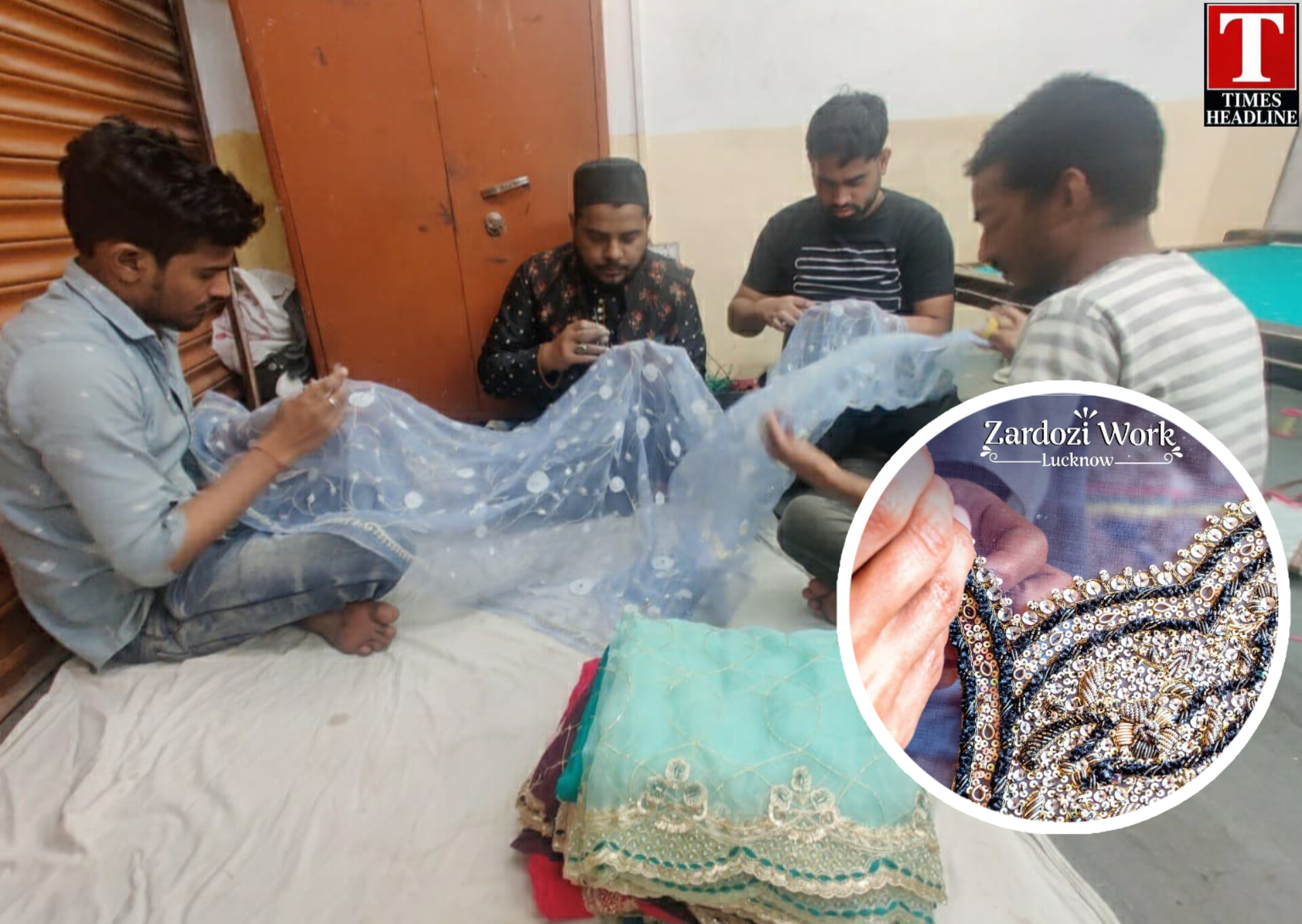
From traditional hand embroidery to international fashion markets, Muslim artisans of Lucknow are preserving India’s textile heritage, generating livelihoods and strengthening the country’s creative economy. Lucknow, the historic capital of Awadh, is celebrated for its culture, literature, architecture, hospitality and distinctive craftsmanship. Among its most valuable contributions to India’s cultural and economic landscape are two traditional forms of embroidery: Chikankari and Zari Zardozi. These crafts are not merely symbols of artistic excellence; they represent generations of hard work, entrepreneurship and economic participation by Muslim artisans, particularly women. For centuries, Muslim craftsmen and craftswomen have played an important role in developing, preserving and transforming these traditional skills. Their contribution demonstrates how India’s Muslim communities are actively participating in nation-building not only through education, public service and business, but also through craftsmanship, employment generation, exports and cultural preservation.
Chikankari: A Traditional Craft with a Modern Market
Chikankari is one of Lucknow’s most recognisable cultural identities. This delicate form of hand embroidery is known for its intricate patterns, floral designs and distinctive stitching techniques. Traditionally practised on fine fabrics such as cotton, muslin, silk, chiffon and georgette, Chikankari has evolved from royal attire into a popular feature of contemporary Indian fashion. The craft involves considerable patience and technical expertise. Different stitches, including Bakhiya, Phanda, Murri and Jaali, require years of practice to master. Today, Chikankari is used in kurtas, sarees, dupattas, dresses, shirts and home furnishings. Its products have found customers across India and in international markets.
Muslim women have historically constituted an important part of the Chikankari workforce. Many work from their homes in Lucknow and surrounding areas, balancing household responsibilities with embroidery work. Their contribution supports family incomes and keeps a traditional Indian craft commercially relevant. The importance of this industry is reflected in its scale. Government district-level estimates have previously placed the number of artisans associated with Lucknow’s Chikankari cluster at approximately 2.5 lakh, although the figure includes people across different stages of the production chain.
Zardozi: The Art of Gold and Silver Embroidery
Alongside Chikankari, Lucknow’s Zari Zardozi is another remarkable example of India’s traditional craftsmanship. The word Zardozi comes from Persian, meaning embroidery with gold thread. Historically, this elaborate art was used to decorate royal garments, ceremonial clothing, wedding outfits and luxurious textiles. Zardozi involves the use of metallic threads, sequins, beads, decorative wires and other embellishments. Artisans work on fabric stretched across a wooden frame called an adda, using specialised needles and tools to create intricate designs. The process requires exceptional concentration, precision and experience. Muslim artisans, particularly those belonging to traditional Shia artisan families, have maintained a strong presence in Lucknow’s Zardozi industry. A study documented by Sahapedia notes that, according to a local trade union, around 70 per cent of the population of Kashmiri Mohalla was engaged in Zardozi work, comprising mostly Shia Muslims. The craft has traditionally been passed down from one generation to another. Lucknow’s Chikankari and Zardozi crafts have also received Geographical Indication (GI) recognition, strengthening their identity as distinctive products associated with the region.
One notable example is the Self Employed Women’s Association (SEWA-Lucknow), established in 1984 by a group of 31 women artisans. Its objective was to improve the economic condition of Chikankari workers by reducing dependence on middlemen and helping artisans access markets directly. SEWA-Lucknow has worked towards improving wages, developing new designs, providing livelihood opportunities and restoring dignity to traditional craftsmanship.
According to the organisation, its network has grown from 31 women at its inception to more than 10,000 women artisans. Its work demonstrates how traditional skills can become instruments of women’s economic empowerment, financial independence and social participation.
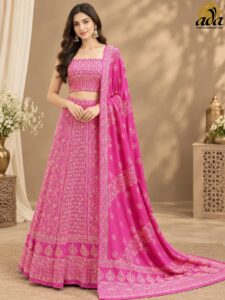
Another example is Ada Chikan. The company has developed a contemporary business model around traditional Lucknowi embroidery by bringing skilled artisans together and presenting their work through designer collections and retail outlets. Its product range also combines Chikankari with Zardozi, Aari, Abla, Kaamdani and Mukaish embroidery. Through its online retail presence, Ada Chikan has helped introduce this traditional art to customers beyond Lucknow and India. Such enterprises demonstrate how Indian traditional craftsmanship can become part of the modern fashion and retail economy while creating commercial opportunities for skilled artisans.
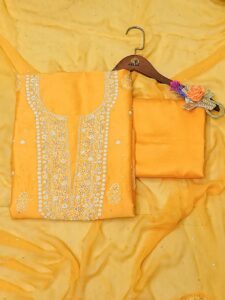
The economic importance of Chikankari and Zardozi extends far beyond the artisans who actually perform the embroidery. The industries support an extensive network of designers, fabric suppliers, traders, manufacturers, exporters, retailers, packaging workers and transport businesses. Small workshops and family-run enterprises play an important role in this ecosystem. Many artisans begin learning these skills at an early age, gradually developing the expertise required to produce intricate designs. Their work ultimately reaches boutiques, fashion houses, exhibitions, wedding markets and international customers. The Government of India’s One District One Product (ODOP) initiative also recognises Lucknow’s Chikankari and Zari Zardozi as important regional products. This provides an institutional platform for promoting traditional crafts, improving market access and strengthening their commercial identity.
The story of Lucknow’s Chikankari and Zardozi offers an important perspective on the contribution of Muslims to contemporary India. The Muslim artisans of Lucknow have helped preserve a distinctive Indian artistic tradition, created employment opportunities, supported household economies and strengthened India’s reputation in the global textile and fashion industry. Their craftsmanship is also an expression of India’s composite cultural heritage. Chikankari and Zardozi developed through centuries of interaction between different artistic traditions, communities, markets and royal patronage. Today, people from different backgrounds design, manufacture, purchase and promote these products. This is what makes their contribution particularly valuable: it connects cultural preservation with economic development and demonstrates how traditional knowledge can become a source of modern opportunity. Lucknow’s Chikankari and Zardozi are not simply embroidery traditions. They are living examples of how generations of Muslim artisans have helped shape India’s cultural identity and continue to contribute to its progress.