
As extremist ideologies increasingly find their way into social media feeds, gaming platforms and online communities, a developed country like Singapore is seeking the help of its young people to counter this dangerous trend. This could become a default plan for many countries where youth are facing online radicalisation.
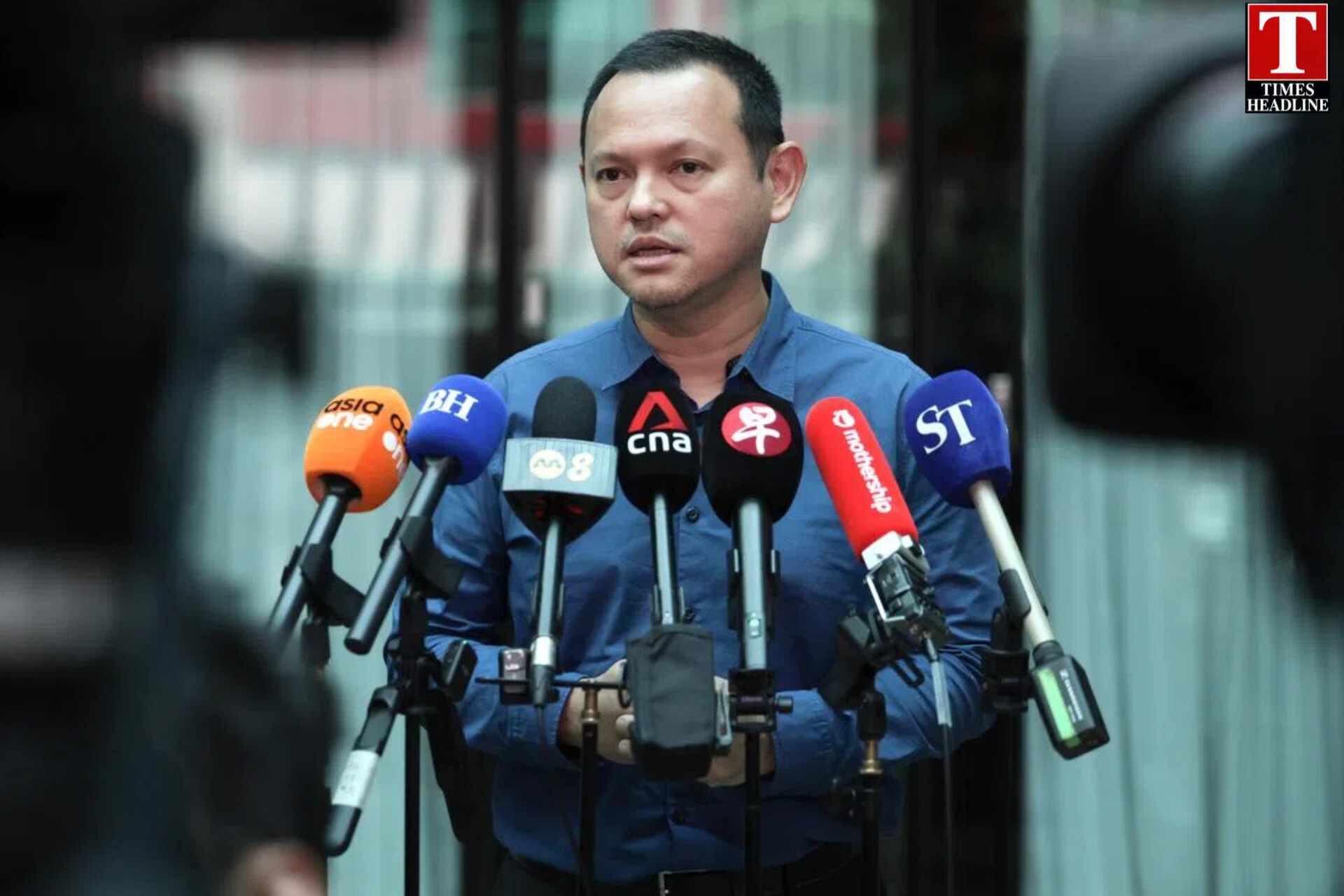
Singapore’s Acting Minister-in-charge of Muslim Affairs, Zaqy Mohamad, held a brainstorming session with the young citizens where he asked young Muslims to recognise their influence in digital spaces and help prevent their peers from being drawn towards extremist ideologies. He believes that their understanding of online culture, social media trends and virtual communities gives them an advantage that many older generations may not possess.
According to media reports, speaking at the Inter-Agency Aftercare Group’s (ACG) youth forum on November 17, Zaqy said young people were often better equipped to understand how online communities shape opinions, influence behaviour and create a sense of belonging.
Also, young people may be the first to recognise troubling changes in a friend’s behaviour and could be among the few people that person was willing to listen to.
He cautioned against treating the issue as a private matter between friends when there were signs of potential violence.
“If someone expresses support for violence or an intention to harm others, raise the concern promptly. Do not try to manage the situation by yourself,” shared Zaqy, who also serves as Senior Minister of State for Defence with the Strait Times Newspaper.
Affairs, Zaqy Mohamad
He said that friendship and loyalty could sometimes prevent young people from reporting concerning behaviour. Referring to the informal understanding often described as a ‘bro code’ or ‘sister code’, he said some might hesitate to speak up because they feared being seen as betraying a friend.
But he emphasised that seeking help at an early stage could prevent a person from moving further towards radicalisation. Early counselling and intervention, he said, could allow someone to reconsider their beliefs and step away from extremist influences.
The forum brought together approximately 150 students from madrassas, the Institute of Technical Education, polytechnics, junior colleges and universities. The participants explored how extremist messages circulate online and how ordinary digital interactions can sometimes become pathways towards radicalisation.
One of the speakers, Sheryl Chua, head of the public safety and security programme at the Singapore University of Social Sciences, presented a four-step approach to identifying and questioning potentially extremist content.
Her framework encouraged students to pause before accepting or sharing messages online. She also stressed that schools and educators must be familiar with warning signs of radicalisation, including support for terrorism, glorification of violence and the promotion of hatred against particular communities.
Singapore’s Ministry of Home Affairs has warned that online radicalisation is becoming an increasingly serious concern, particularly among younger people.
Militant jihadist organisations and far-right accelerationist groups are using digital platforms, including social media networks, gaming websites and online communities, to circulate extremist ideologies.
These platforms can make hatred appear entertaining, normalise violent behaviour and gradually draw vulnerable individuals towards radical narratives.
Far-right accelerationists, in particular, believe that existing political, economic and social structures are fundamentally flawed and advocate hastening their collapse.
The scale of the concern was highlighted in the country’s Internal Security Department’s annual terrorism report released on September 10. According to the report, cases involving young people almost quadrupled over the past five years, rising from four between 2017 and 2021 to 15 since 2022.
The seriousness of the threat was further demonstrated by the detention of three young people aged between 14 and 19 between April and June 2026. All three had formulated plans for attacks in Singapore and were reportedly close to carrying them out.
The youngest person detained under Singapore’s Internal Security Act to date was a 14-year-old Secondary 2 student. The boy supported the Islamic State in Iraq and Syria and also held far-right extremist beliefs. In June 2026, he was detained after preparing a 21-page manifesto outlining a planned stabbing attack against non-Muslim teachers and students at his school.
At the end of the meeting Ammar Sufi, a 21-year-old computer science student at Singapore Polytechnic, said he had occasionally encountered extremist views online. He generally avoided engaging with such material because he was concerned about being influenced by it himself.
“I try to avoid these things… because it’s like the fear of being influenced myself. But if I see someone around me influenced by such content, I would want to reach out and help,” he told the Strait Times Newspaper.
For 17-year-old Nur Asyiqin Kamsani, a student at Madrasah Al Maarif Al Islamiah, the experience challenged her earlier assumption that radicalisation was a relatively minor issue affecting some teenagers.
She said she had realised that extremist influences could have lasting consequences for an individual’s development and adult life.
Her team was among the winners of the forum’s video-making competition. Their 30-second film portrayed a Muslim girl who began questioning her own faith after encountering extremist content about Islam online.
(CREDIT: AWAZ THE VOICE)