
By Bhabani Shankar Nayak
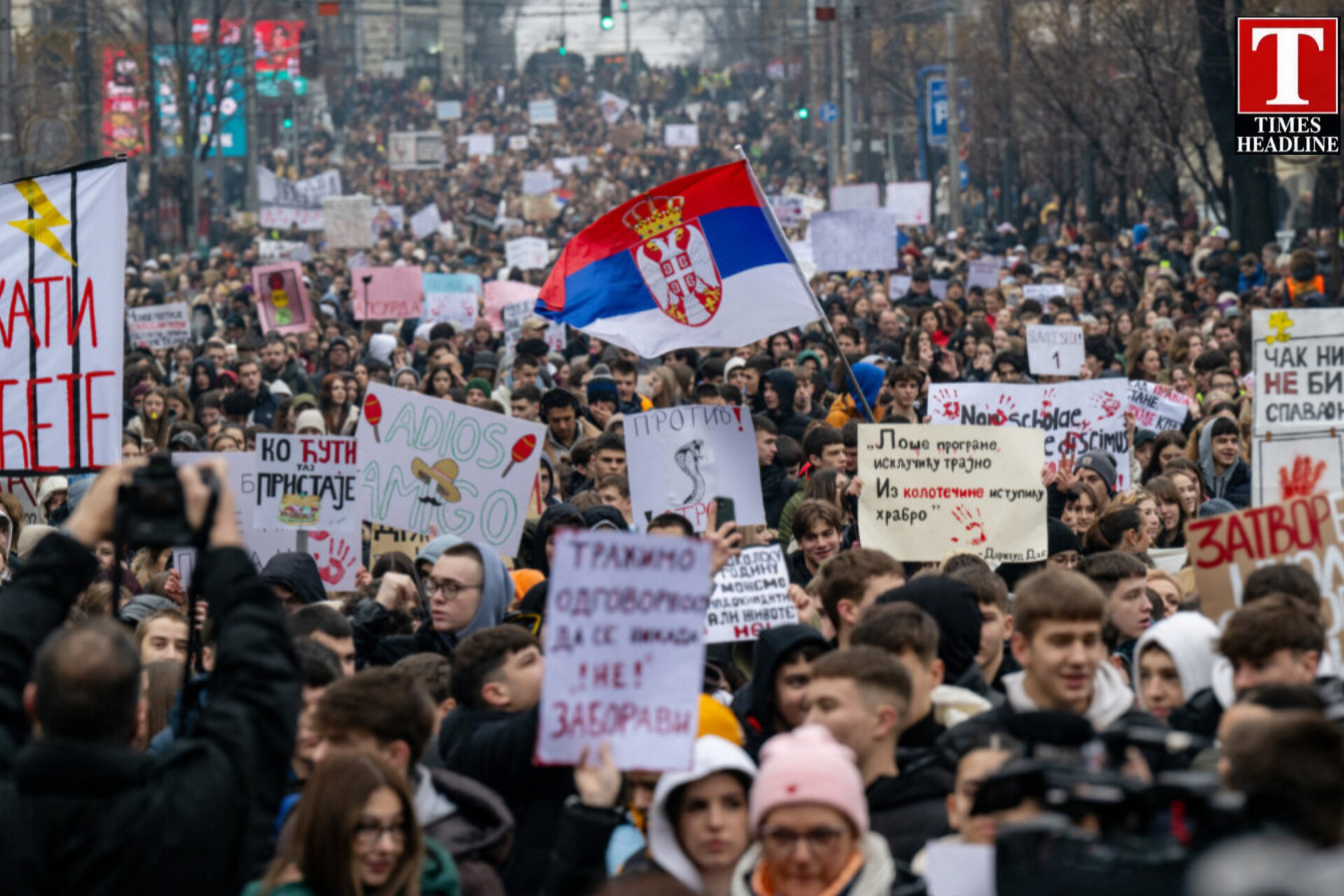
In Belgrade’s electoral battlegrounds, Serbian students have revived the radical spirit of the poem “Marija Ručara (Marija the Washerwoman)” by Aleksandar Vučo and Dušan Matić. Published in 1935, the poem continues to resonate in the bourgeois politics of contemporary Serbia and beyond. The student struggle—organized around the “Student List—Students Win” and shaped by a collective, leaderless ethos—and its victory in Serbia’s recent elections have rekindled the subversive tradition of Serbian politics and society, which has witnessed many radical insurgencies, successful revolutions, and struggles for freedom. Serbian rebels defeated not only the Ottoman and Austro-Hungarian Empires but also the Serbian monarchy to achieve national liberation and radical social change.
Serbia’s revolutionary lineages guide the present-day student movement, which has defeated the fourteen-year authoritarian regime of the Aleksandar Vučić government. The students of Serbia have achieved the politically unthinkable—and yet deeply pragmatic—in their approach to leadership and governance, grounded in an idealism that shapes and guides their programme. That programme promises “institutions that can function without orders from party headquarters: a judiciary where the law does not depend on who stands before it, public finances subject to citizen oversight, education and healthcare systems the state does not treat as a burden, media outlets that can operate free from political pressure, and local self-government where citizens genuinely participate in the decisions that shape their lives.”
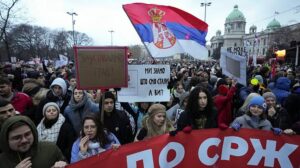
These ideals resonate beyond Serbia’s borders, contributing to efforts to reclaim democratic governance by deepening institutions, practices, and policies so that they are genuinely of the people. This youthful idealism truly reflects the values of a democratic government that represents the voice of the people. The student movement did not merely defeat authoritarian power; it also provided an eleven-point governance programme to restore people’s democracy and democratic governance. Its plan is as follows:
i) It promises to free the courts and the prosecutor’s office from political influence by establishing a special prosecutorial police unit that will work independently to ensure justice and governance free of crime and corruption. It reflects the campaign slogan “Serbia or Mafia.”
ii) It argues for strengthening institutions for transparency in tax and audit administration so as to confiscate embezzled public funds and return illegally acquired assets to state budgets.
iii) It intends to empower the State Audit Institution (DRI) to ensure full transparency in public procurement and regular audits of state contracts and public tenders.
iv) It promises to free the media and the public broadcaster (RTS) from political control and to establish an independent press council, ensuring journalistic ethics and accountability so that knowledge and information become power.
v) It promises to abolish political patronage in recruitment, competition, and appointments to ensure a merit-based system rather than cronyism.
vi) It promises to develop and ensure accessible, quality education based on critical thinking and practical skills, with curricula that reflect people’s needs and aspirations in the twenty-first century.
vii) It promises to create conditions for a knowledge-based economy that empowers domestic entrepreneurs and farmers by providing substantial grants and subsidies for innovation and startups.
viii) It promises permanent employment and a no-hire-and-fire policy to ensure job security that boosts productivity and enables participation in a globally competitive economy.
ix) It promises to end the exploitative import lobby and market monopoly to ensure food security by protecting agriculture, land, and water resources.
x) It promises affordable housing, affordable rental and lease-to-own options, and tax incentives for young families to secure housing.
xi) It promises a doctor and medical facilities in every village to ensure available, accessible, and affordable health care, especially in rural and underdeveloped areas.
The Novi Sad tragedy gave rise to a student-led, youthful political movement that shows the potential to change Serbia’s political destiny and economic conditions by implementing these eleven points and policy directions. The Serbian student movement shows that collective leadership can be an alternative to parochial party politics dominated by a two-party system that represents the class interests of corporate capitalists at the expense of working people.
Student movements from Bangladesh and Nepal to France and Serbia are changing the political landscape of electoral democracy, but the Serbian student movement provides a concrete plan of action to govern the country, empower Serbians, and deepen democracy and citizenship rights. After the electoral victory, Serbian students are rewriting and renewing the promise of a radical democratic state and government that works for the people. It is a cause for celebration: Serbian students provide hope amid a crisis-ridden world of brutal capitalism and barbaric imperialism.
—
*Academic based in UK
(CREDIT: COUNTERVIEW)