
The months following the installation of Bangladesh’s interim government were expected to bring calm after a long period of political tension. Many people believed the new administration, led by respected reformists, would take strong steps against violence and create space for a more tolerant society. Instead, a different and troubling pattern has emerged. Attacks on Sufi shrines, spiritual leaders, Bauls, Boyatis, and other folk singers have increased at an alarming rate across several districts. The so-called Tawhidi groups, who operate in scattered networks, appear to be involved in many of these incidents. Yet the government has shown a surprisingly distant attitude, often appearing silent or unwilling to act in time. This growing disconnect between public expectation and state response raises important questions about the future of cultural freedom in Bangladesh.
Section 1: The Rise in Attacks — What Has Changed and Why Now?
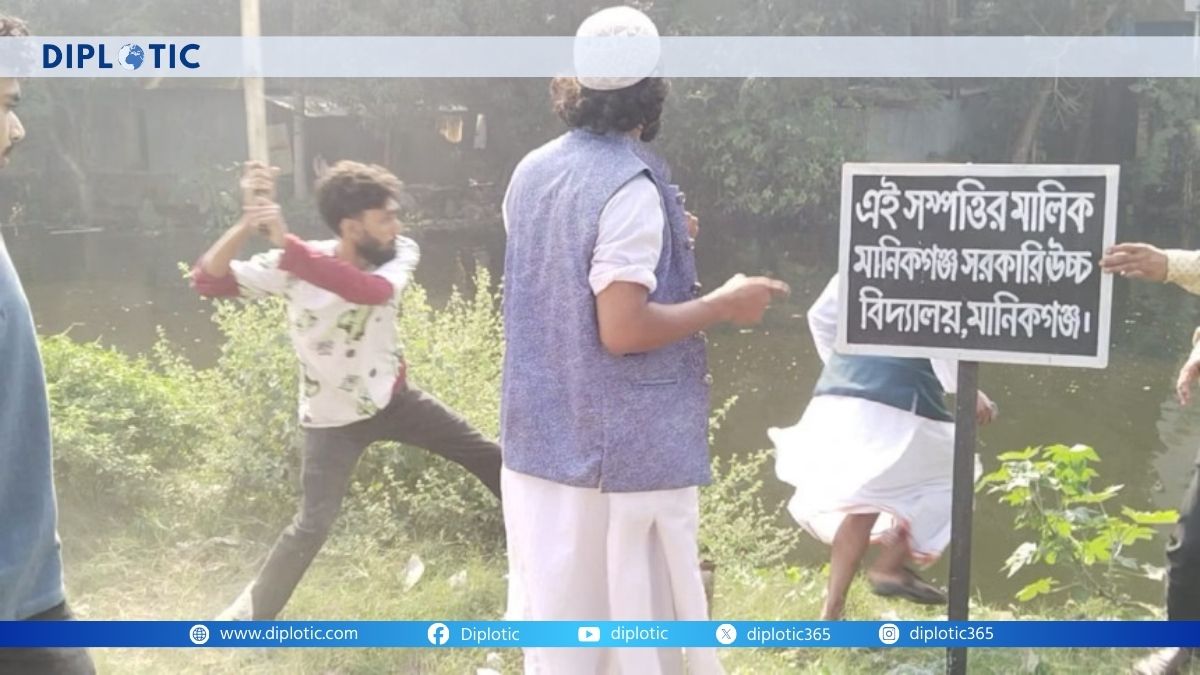
In the past one year, several disturbing events have taken place across the country. Sufi shrines were vandalized, tombs were dug up, and religious gatherings were disrupted by groups claiming to defend faith. Folk musicians, especially Bauls and Boyatis, have been stopped from performing, detained under serious accusations, or threatened by mobs. Cases like the arrest of renowned folk singer Abul Sarkar in Manikganj, following claims of religious insult during a performance, have shaken civil society. Soon after his arrest, supporters calling for his release faced attacks during a human chain program. Video footage showed people jumping into a pond to escape mob violence. This was not an isolated event; similar incidents have taken place in Fatullah, Singair, Narayanganj, Kushtia, and parts of Jessore.
These events are not happening for the first time in Bangladesh. Earlier governments have also struggled with attacks on folk artists. Baul Rita Dewan and Boyati Shariat Sarkar were arrested under previous administrations under similar allegations. But the recent increase is unusual because it comes at a time when many believed the interim government would promote tolerance and reduce religious intimidation. Instead, the frequency and intensity of attacks have climbed, often involving people who introduce themselves as defenders of religion but act outside the law.
A key issue is the state’s slow response. While police often reach the scene, they rarely take strong action against attackers. Instead, authorities sometimes restrict the gatherings of Bauls and Sufis themselves, citing public order. This creates a perception that the state is shifting responsibility to the victims instead of stopping those who carry out the harassment. Community members say the groups responsible for these incidents act boldly because they do not fear real consequences. The lack of clear action allows them to believe they can control cultural spaces according to their own ideology.
The change in atmosphere is noticeable. Events once considered normal, such as village musical gatherings and Sufi festivals, are now seen as risky. Organizers worry that a single accusation can lead to mob violence. This climate of fear did not grow overnight. It developed slowly, fuelled by a mixture of rising intolerance, weakened local administration, and groups trying to impose narrow beliefs on a culture known for its openness. The question now is not only why these attacks increased, but also why they continue without a proper policy response.
Section 2: Understanding the Sufi and Baul Tradition — Why Are They Being Targeted?
The Baul, Boyati, and Sufi traditions occupy an important place in the cultural life of Bangladesh. For centuries, these groups played a major role in spreading spiritual messages through song, poetry, and storytelling. They travelled from village to village, helping people understand complex ideas through simple language. Their music welcomed people from every background. Spiritual leaders like Lalon Shah shaped a large part of the region’s moral imagination, promoting tolerance, equality, and a deep respect for human dignity.
These traditions were rooted in the belief that faith grows when people think deeply and treat others with respect. Their songs, even when critical of hypocrisy, were meant to guide society towards compassion. They never claimed to be enemies of religion. In fact, many of their messages strengthened religious understanding and encouraged people to reflect on their own actions. This is why their music remained popular across rural and urban societies for generations.
So why are they being targeted now? A major reason is the rise of groups who follow strict interpretations of religion and see any form of questioning or symbolic expression as offensive. These groups often misunderstand the symbolic language used in Baul and Sufi songs. They take metaphors literally and label them as disrespectful. The difference in understanding is wide, and instead of dialogue, confrontation becomes the first choice.
Another reason is the cultural shift in some parts of society. Many young people grow up without knowing the history of Baul philosophy or the role Sufis played in building this region’s spiritual heritage. When cultural literacy declines, misunderstandings grow. This makes it easier for hardline groups to mobilize people against folk artists by claiming that these traditions insult religion. The cultural heritage that once united people is now caught in the middle of ideological conflict.
The most worrying part is the attempt to erase or silence the voices that represent cultural openness. If these attacks continue unchecked, Bangladesh risks losing a major part of its identity. Baul and Sufi culture is not just art; it represents the long tradition of peaceful coexistence that shaped Bengal. Any effort to push this culture aside creates a deeper divide in society and removes an important bridge between different belief systems.
Section 3: The Role of the State — Why Is the Government Silent?
One of the most serious concerns raised by activists, writers, and cultural organizations is the government’s silence. The interim administration, led by respected national figures, speaks often about human rights and responsible governance. Yet when violent incidents occur, the official response is slow, limited, or unclear. In several cases, police either failed to prevent attacks or focused more on the gatherings of the victims rather than the behaviour of the attackers. This raises doubts about whether the state fully understands the threat posed by these groups.
There are a few possible explanations. First, the interim government is managing many national issues at once, from economic instability to political transition. As a result, cultural security may not receive enough attention. Second, some officials may fear that taking strong action against hardline groups could create political friction. Because these groups claim to act in the name of religion, governments often hesitate to confront them directly. But such hesitation carries long-term risks.
Another factor is the inconsistent messaging from authorities. At the same time that attacks on Bauls increase, government social media pages sometimes highlight cultural achievements and celebrations. This creates confusion and a sense of disconnect between public communication and real events. People start to feel that the state is talking about culture, but not protecting the people who carry it forward.
If the government fails to act strongly, the consequences may grow more serious. Groups involved in recent attacks may believe they have moral permission to continue. Communities may stop organizing cultural gatherings, fearing confrontation. Folk artists may retreat from public life, leading to a slow erosion of cultural diversity. Once this retreat begins, reversing the damage becomes difficult. The government must recognize that failing to protect Bauls and Sufis is not just a cultural issue but a threat to social harmony.
Section 4: What This Means for Bangladesh’s Future — Are We Losing Our Shared Cultural Space?
Bangladesh has always been known for its cultural diversity and inclusive spirit. From poetry to folk music, from traditional festivals to spiritual gatherings, the country celebrated difference rather than feared it. But the recent wave of attacks signals a dangerous shift. If the country allows a small group to decide what is acceptable, the shared space that once held society together will begin to shrink.
The attacks on Bauls and Sufis show how fragile cultural freedoms can become when the state fails to protect them. They also reveal how quickly misinformation and intolerance can turn into violence. If spiritual leaders and folk singers, who carry peaceful messages, become targets, then ordinary people may wonder if their own freedom of expression is next.
The future direction depends on how the government responds now. A clear policy, strong legal action against violent groups, and protection for cultural gatherings are necessary to rebuild trust. Bangladesh’s identity is deeply linked to the music, poetry, and spiritual traditions of its people. These traditions survived many political changes, but they cannot survive without protection during times of uncertainty.
The country stands at a turning point. If authorities take responsibility and act with fairness, they can prevent further violence and preserve the cultural values that shaped the nation. If they ignore the warnings, the damage may be long-lasting. Cultural silence grows slowly, but its impact is heavy. The question is whether the interim government is willing to face this challenge before it becomes too late.
By: Staff Reporter