

New Delhi:
In today’s time, a high-protein diet has become synonymous with fitness. Whether the goal is to lose weight or build muscles, people are first advised to increase protein intake. However, many times this very diet also becomes the cause of fatigue, constipation, and headaches. The question is—does protein cause harm? The answer is no. The real problem lies in a few common but serious mistakes.
Question 1: Why do fatigue and headaches occur on a high-protein diet?
Answer: Lack of water!
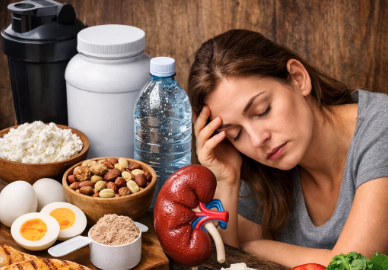
When the amount of protein in the body increases, more waste products like urea are produced. To flush these out, the kidneys need more water. If water intake is insufficient, problems such as headaches, fatigue, dark-colored urine, and constipation can occur.
Keep in mind, protein itself does not cause dehydration—the real reason is drinking too little water.
Question 2: Why does the problem of constipation increase?
Answer: Ignoring fiber!
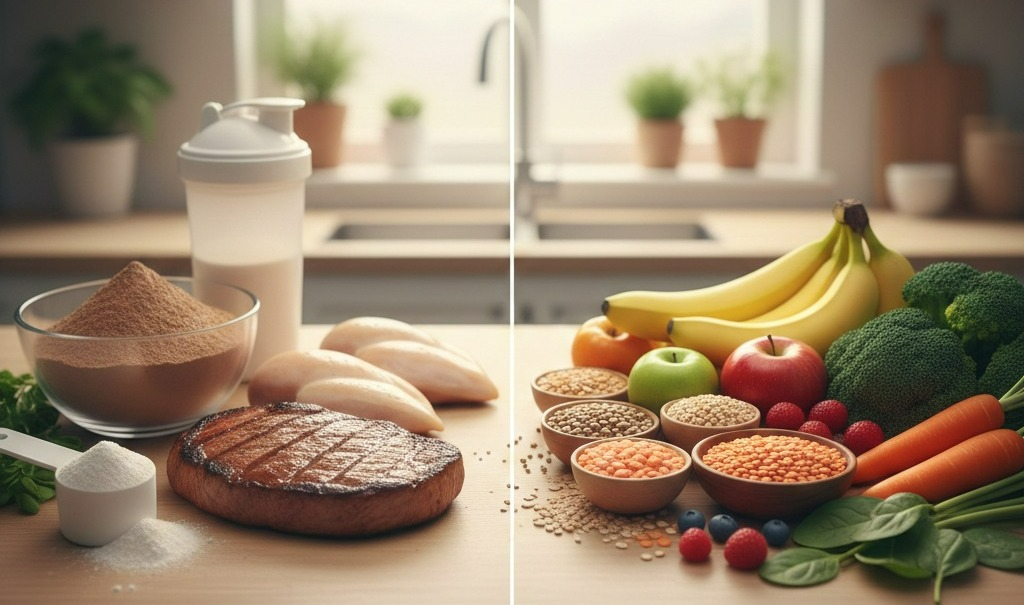
While following a high-protein diet, many people become overly dependent on protein shakes, powders, and meat. As a result, the intake of whole grains, lentils, fruits, and vegetables decreases. A lack of fiber slows down the digestive system, making constipation a common issue.
The problem is not protein, but the deficiency of fiber.
Question 3: What harm can occur from eating fewer fruits and vegetables?
Answer: The body’s acid balance can be disrupted!
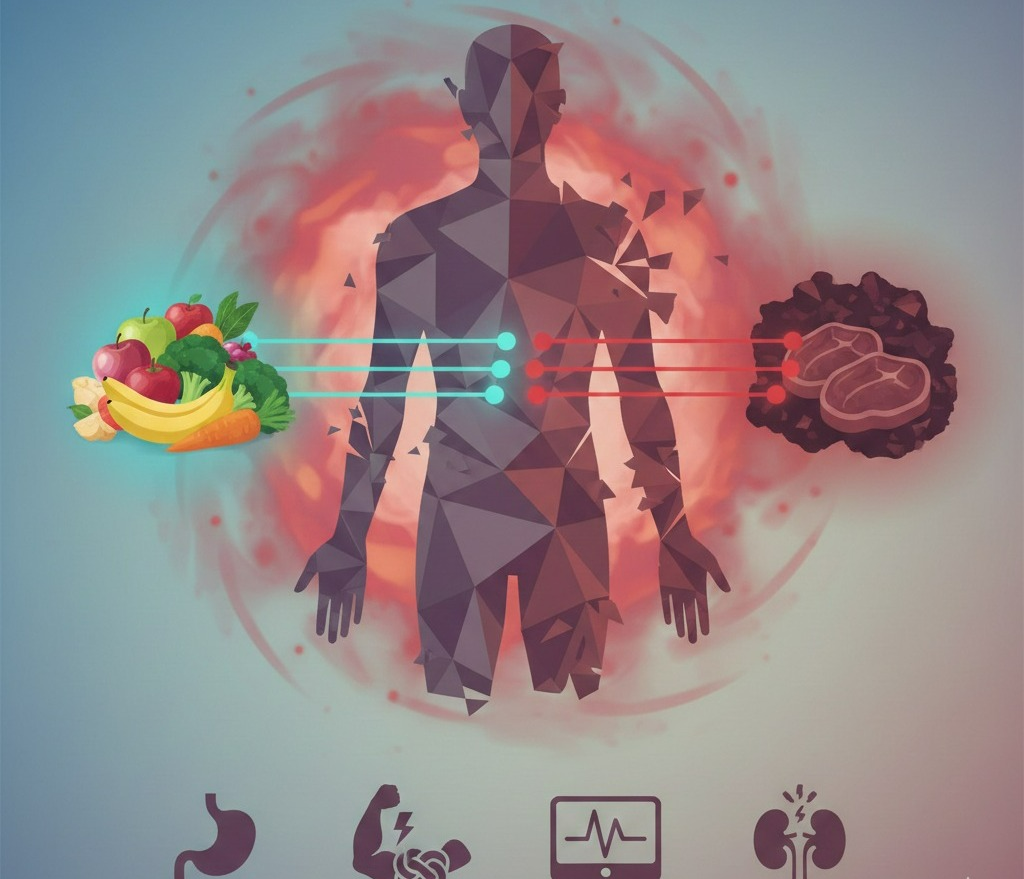
Some high-protein diets, especially those rich in animal protein, can increase acidity in the body. Fruits and vegetables are rich in potassium, which helps balance this acid.
A deficiency of potassium can lead to bloating, muscle cramps, fluctuations in blood pressure, and increased strain on the kidneys.
Conclusion :
A high-protein diet is not a harmful approach, but following it incompletely can be dangerous. Without adequate water, fiber, and fruits and vegetables, the full benefits of protein cannot be achieved.
The right quantity, the right balance, and the right understanding—these are the true hallmarks of a healthy high-protein diet.