
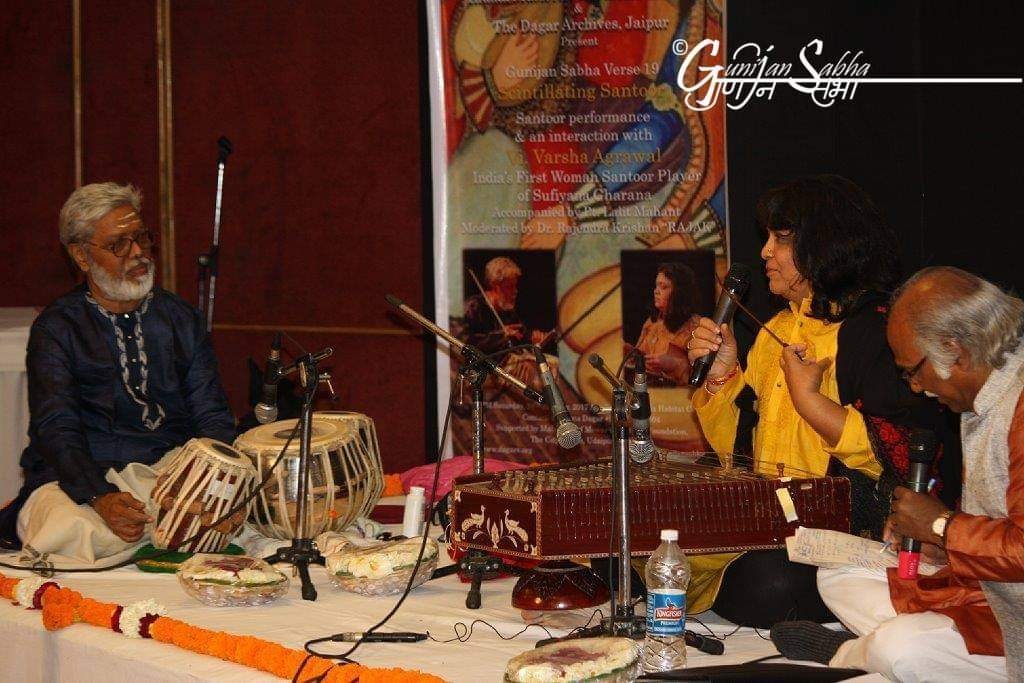
India’s cultural heritage is not confined to its monuments, scriptures, or archaeological sites. It also lives through traditions that have been passed down from one generation to another, carrying the wisdom, spirituality, and artistic excellence of centuries. Among these treasures, Dhrupad the oldest surviving form of Hindustani classical music holds a unique place. At a time when modern entertainment dominates public attention, preserving such an ancient tradition requires extraordinary commitment. One individual who has dedicated her life to this mission is Shabana Dagar, whose tireless work has ensured that this priceless legacy continues to inspire future generations.
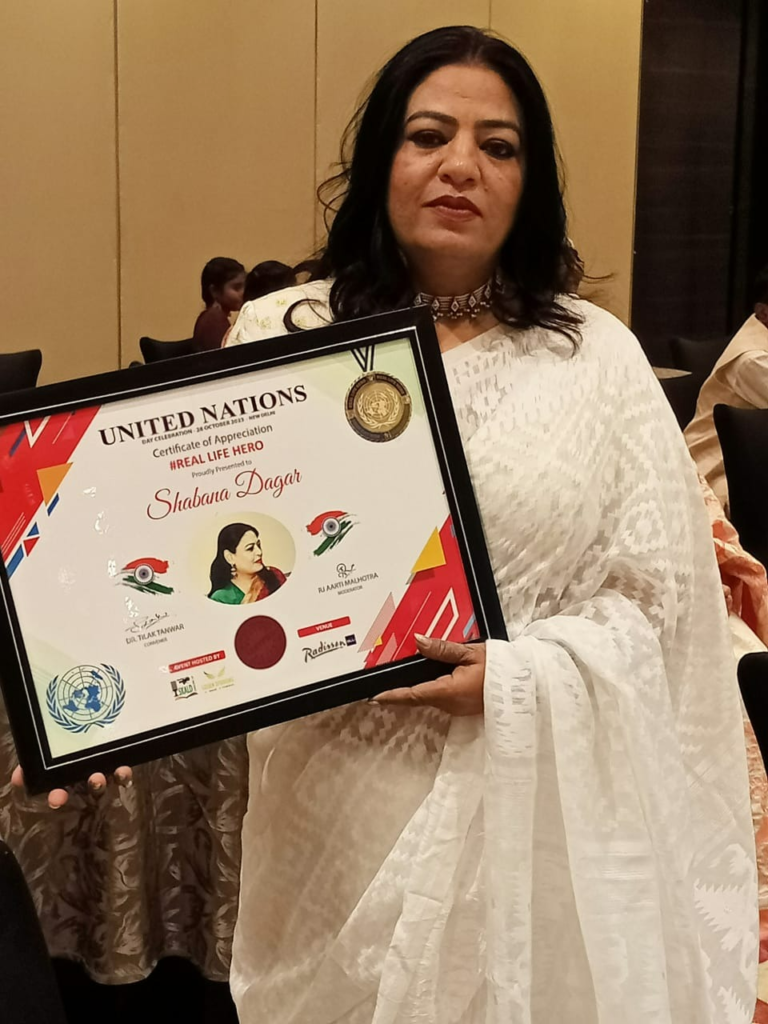
Belonging to the illustrious Dagar family, whose contribution to Dhrupad spans several centuries, Shabana Dagar has spent more than twenty years preserving one of India’s most significant musical traditions. Rather than allowing invaluable manuscripts, rare recordings, historical photographs, and musical instruments to fade into obscurity, she has transformed them into living resources for students, scholars, musicians, and lovers of Indian classical music.
Along with her brother Imran Dagar, she has played a pivotal role in developing the Dagar Archives Museum at Ravindra Manch in Jaipur. Today, the museum stands as one of the country’s most important repositories of the Dagar family’s musical legacy. It houses an extraordinary collection of archival recordings, handwritten manuscripts, rare documents, traditional instruments, and photographs that chronicle the evolution of Dhrupad across generations. Her contribution goes far beyond preserving historical artifacts. Through educational initiatives, workshops, intimate musical gatherings, research activities, and cultural outreach programmes, she has helped make Dhrupad accessible to a new generation of learners. Students and researchers from across India and abroad regularly visit the archives to understand not only the technical aspects of the music but also the philosophy and spiritual depth that define the Dhrupad tradition.
The significance of Shabana Dagar’s work extends beyond music. In an age where globalization often challenges local traditions, cultural preservation has become an essential pillar of national identity. India’s soft power rests not only on economic growth and technological innovation but also on its ability to protect and promote its rich civilizational heritage. Every archive preserved, every manuscript documented, and every classical composition taught contributes to strengthening the country’s cultural foundations.
Her journey also reflects the important role women continue to play in safeguarding India’s artistic and intellectual traditions. While performers often receive public recognition, archivists, researchers, and custodians of heritage quietly undertake the painstaking work that ensures these traditions survive for future generations. Shabana Dagar belongs to this distinguished group of cultural guardians whose efforts deserve far greater public appreciation.
The roots of today’s archive go back to 1978, when Shabana’s father, Ustad Aleemuddin Dagar, established the Ustad Imamuddin Khan Dagar Committee, organising major cultural programmes in Jaipur with support from the royal family and prominent cultural figures. Building upon that foundation, Shabana and Imran established the Ustad Imamuddin Khan Dagar Indian Music, Art and Culture Society in 2003. They wanted to create an institution capable of preserving any endangered artistic tradition deserving protection. That vision materialised in November 2009 with the establishment of the Dagar Archive at Ravindra Manch.
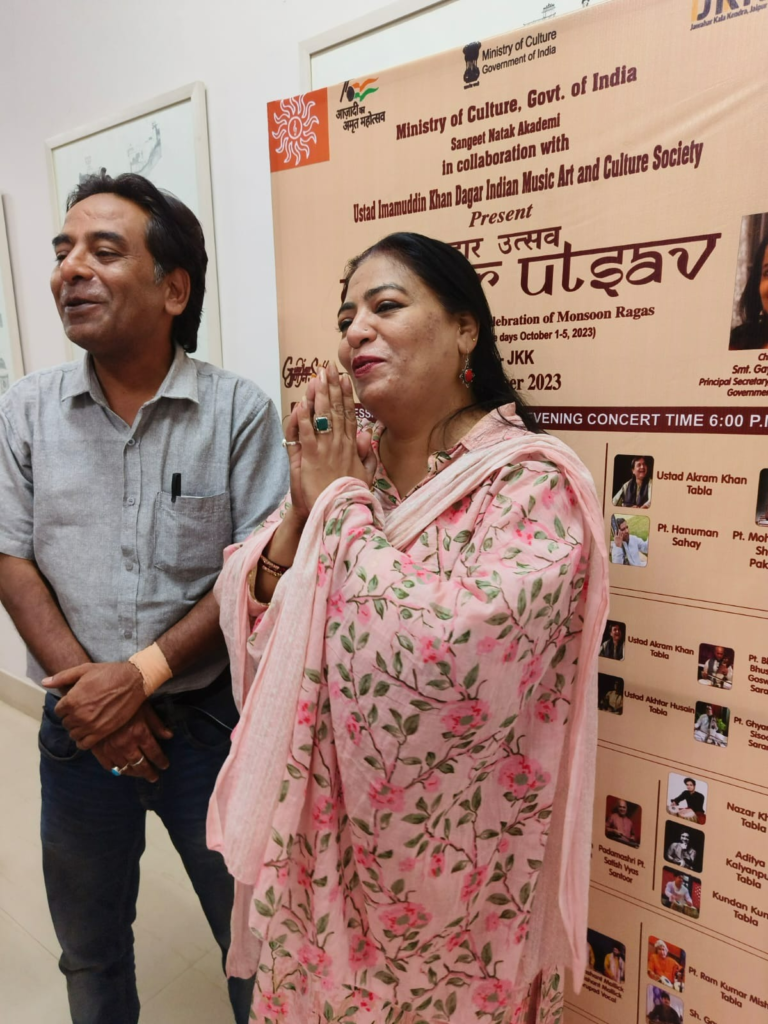
The organisation has partnered with institutions such as the Ministry of Culture, Sangeet Natak Akademi, West Zone Cultural Centre, Jawahar Kala Kendra, Ravindra Manch, Rajasthan International Centre, India Habitat Centre and India International Centre to organise cultural programmes across the country. Shabana believes that heritage can survive only if younger generations develop a meaningful connection with it.
India’s classical traditions have always represented harmony, discipline, spirituality, and inclusiveness. Dhrupad itself embodies centuries of artistic dialogue and reflects the country’s composite cultural heritage. Preserving such traditions is not merely an artistic endeavour it is an act of nation-building. Institutions like the Dagar Archives Museum demonstrate how heritage can be conserved while simultaneously educating young minds and promoting cultural understanding.
The story of Shabana Dagar is, therefore, much more than an individual success story. It is a reminder that the preservation of heritage requires patience, vision, and unwavering dedication. Her work ensures that one of the world’s oldest living musical traditions continues to resonate with authenticity and pride in the twenty-first century.
As India moves confidently towards becoming a global leader, equal attention must be devoted to preserving the cultural treasures that define its identity. Development and heritage must progress together. The success of individuals like Shabana Dagar demonstrates that safeguarding India’s cultural legacy is not merely about protecting the past—it is about enriching the future.
Her life offers an inspiring lesson: true nation-building is achieved not only through economic progress or technological advancement but also through preserving the traditions that give a civilization its soul. By dedicating over two decades to protecting the timeless legacy of Dhrupad, Shabana Dagar has ensured that one of India’s greatest artistic traditions will continue to inspire generations to come.