
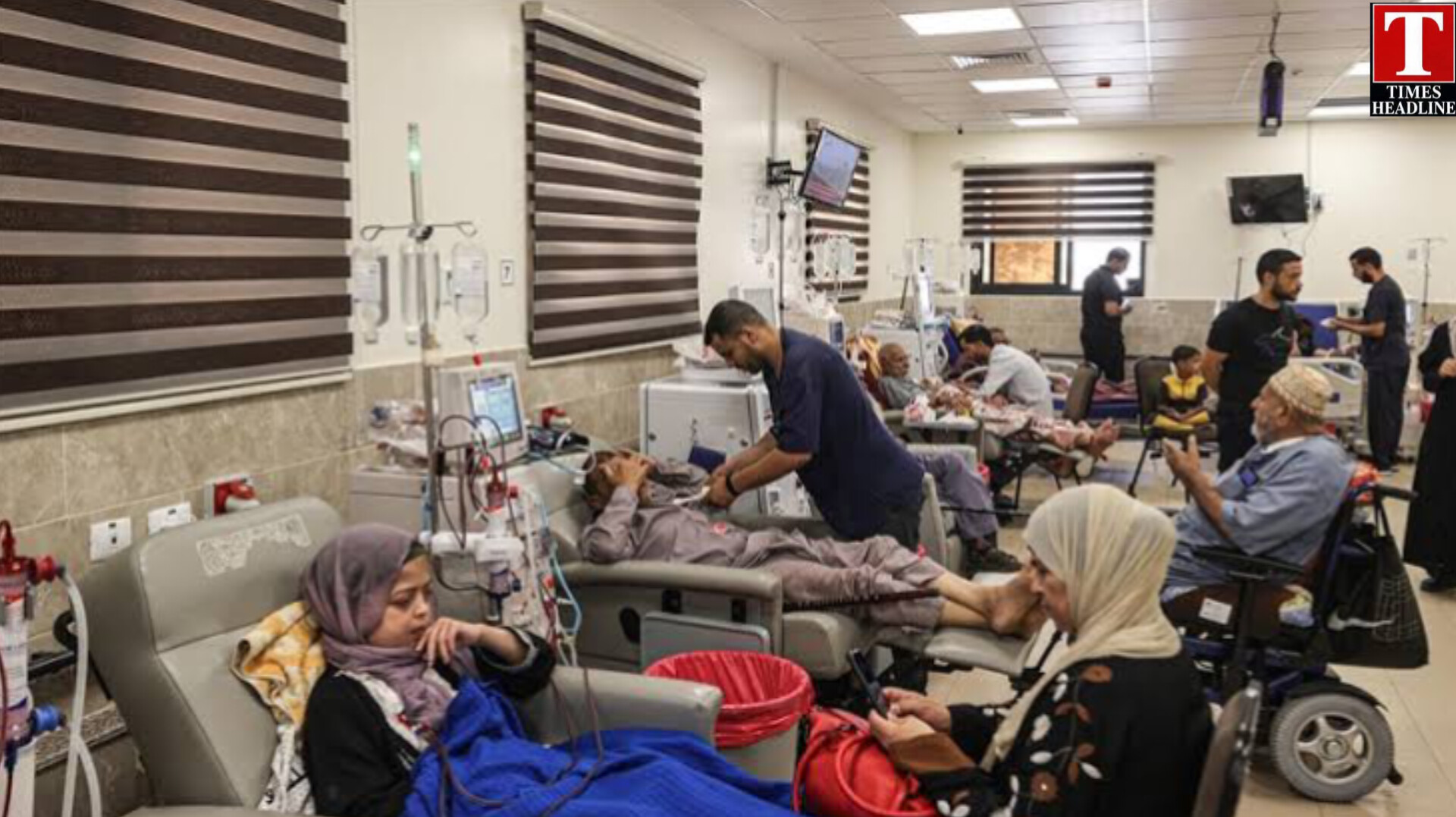
Occupied Jerusalem, November 28, 2026: More than 140,000 Palestinians living in areas beyond Israel’s separation wall in occupied East Jerusalem are facing a worsening healthcare crisis following the closure of a health centre run by the United Nations Relief and Works Agency for Palestine Refugees (UNRWA) in Shuafat refugee camp. The closure has further restricted access to essential medical services, particularly maternity and child healthcare, leaving thousands of families struggling to obtain routine treatment.
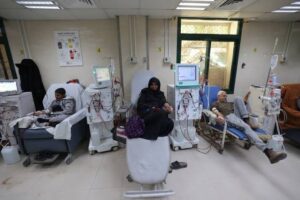
The crisis is affecting residents of Shuafat refugee camp and nearby neighbourhoods, including Ras Khamis, Ras Shehadeh and Dahiat al-Salam. These communities are geographically isolated from central Jerusalem by the separation wall and lack adequate specialised healthcare facilities. As a result, pregnant women, mothers with young children and patients requiring regular medical attention are among those most severely affected.
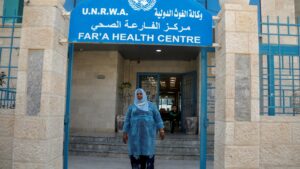
Residents are now required to cross the Shuafat military checkpoint to reach healthcare facilities in other parts of Jerusalem. They reportedly face lengthy security inspections, overcrowding and delays, making it particularly difficult for pregnant women, children and patients needing urgent medical attention. The closure has disrupted access to routine vaccinations, child development screenings, prenatal check-ups and other essential healthcare services.
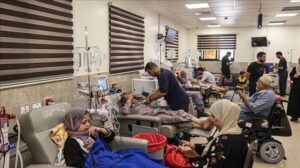
The situation has been further aggravated by Israeli measures restricting UNRWA’s operations in occupied East Jerusalem. Despite remaining under Jerusalem’s municipal jurisdiction and paying municipal taxes, including property taxes, these Palestinian communities continue to face inadequate infrastructure and limited access to healthcare, education and other public services. Human rights observers warn that the growing restrictions and lack of essential services are worsening living conditions and increasing the vulnerability of Palestinian families.