
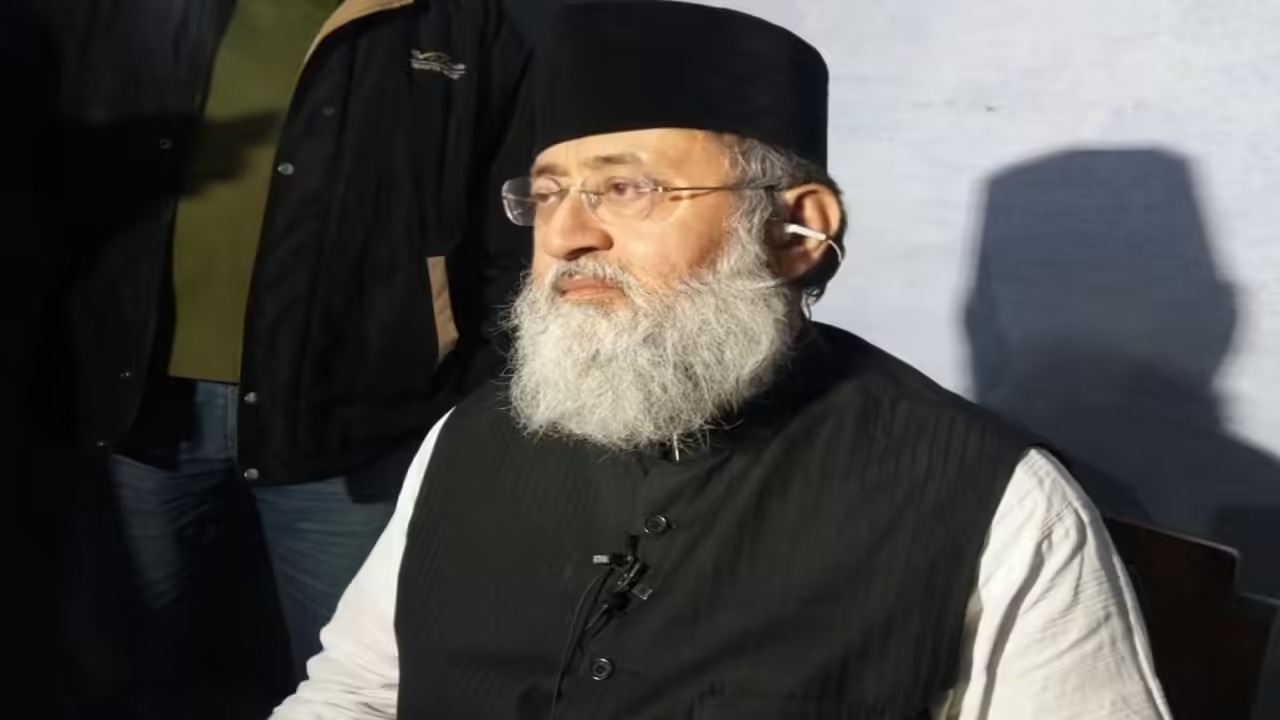
The passing of Maulana Salman Hussaini Nadwi marks the end of a long and influential chapter in contemporary Indian Islamic thought. A prolific scholar, teacher and Arabic author associated with Nadwatul Ulama, Lucknow, Nadwi possessed undeniable intellectual credentials and commanded respect among sections of the Muslim clergy. Yet, history is unlikely to remember him solely for his scholarship. His public life was repeatedly overshadowed by controversies that placed him at the centre of ideological debates within Indian Islam.
In any honest assessment of his legacy, it is impossible to ignore the contradiction that defined his career. His political and theological interventions frequently attracted criticism from across the Muslim spectrum. The controversy that will perhaps remain most closely associated with Salman Nadwi was his 2014 letter addressed to Abu Bakr al-Baghdadi, the self-proclaimed “Caliph” of ISIS. In the letter, Nadwi reportedly congratulated Baghdadi, addressed him as Amir-ul-Momineen, and expressed hope for the establishment of an Islamic Caliphate, while also urging justice and restraint against civilians. The letter triggered widespread outrage in India and abroad because it appeared to lend legitimacy to a group that would soon become synonymous with unprecedented brutality, sectarian violence and terrorism.
Equally significant was Nadwi’s long-standing intellectual proximity to the ideas associated with the Muslim Brotherhood. Throughout his public life, he advocated a vision of political Islam that resonated with Brotherhood-inspired movements across the Muslim world. While he never officially represented the organisation, his speeches, writings and international engagements reflected an affinity with Islamist revivalist thought that contrasted sharply with India’s traditional Sufi and pluralistic religious heritage. Critics argued that such ideological positions contributed to the growing influence of transnational Islamist narratives among sections of Indian Muslims.
His interventions during the conflicts in Iraq and Syria further reinforced this perception. His reported proposal urging Saudi Arabia to raise a large Sunni force to counter Shia militias invited severe criticism from religious scholars and security analysts alike, who viewed such rhetoric as potentially deepening sectarian polarisation.
Ironically, despite being regarded by many as an Islamist thinker, Nadwi surprised observers in 2018 when he advocated dialogue over the Ayodhya dispute and suggested that Muslims consider an amicable settlement on the Ram Mandir issue, a position that drew strong opposition from several Muslim organisations.
These seemingly contradictory positions reflected a complex personality. Nadwi was neither a conventional conservative scholar nor a liberal reformer. Instead, he represented a strand of Islamic political thought that sought religious revival while simultaneously engaging with modern political realities often producing positions that confused supporters and critics alike.
His demise also invites a broader reflection on the direction of Islamic leadership in India. Indian Islam has historically flourished through traditions rooted in Sufism, pluralism, constitutional engagement and peaceful coexistence. Whenever religious scholarship becomes entangled with transnational ideological projects or political movements originating outside India’s civilisational context, it risks distancing itself from this indigenous legacy. Salman Nadwi’s life therefore serves as both an intellectual contribution and a cautionary tale. His scholarship cannot be dismissed, but neither can the controversies that defined much of his public career. Future generations will likely study him not merely as an accomplished theologian, but as one of the most polarising Muslim scholars of contemporary India a man whose ideas generated admiration, criticism and intense debate in equal measure.