
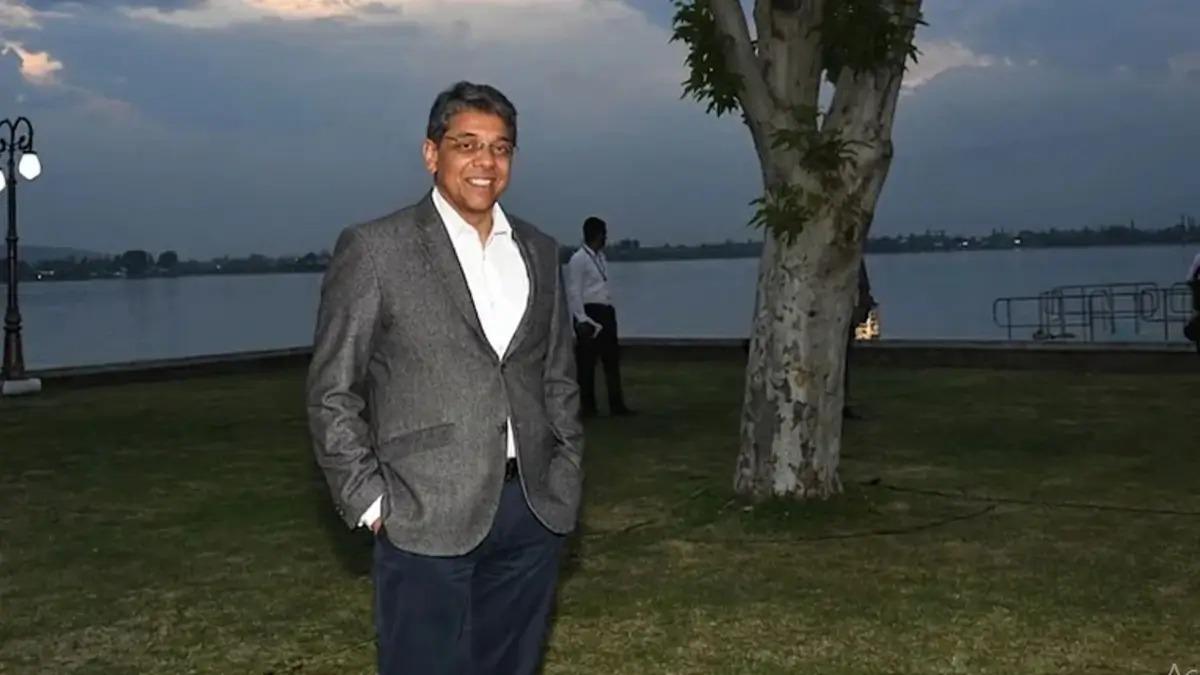
The appointment of Mahesh Dixit as the next Director of the Intelligence Bureau (IB) comes at a time when India’s internal security environment is undergoing rapid transformation. Terrorism remains a persistent concern, but the challenges confronting the country’s premier domestic intelligence agency now extend far beyond conventional security threats. Hybrid warfare, cross-border disinformation, cyber-enabled radicalisation, organised crime, drone-based infiltration, and foreign influence operations increasingly intersect with traditional intelligence concerns, demanding both institutional adaptability and experienced leadership.
Against this backdrop, the Government’s decision to entrust the Intelligence Bureau to an officer with extensive operational experience reflects a broader recognition that intelligence leadership today must be deeply rooted in field realities as much as in administrative capability.
The Intelligence Bureau occupies a unique position within India’s national security architecture. Unlike investigative agencies that intervene after an incident, the IB’s principal responsibility lies in anticipating threats before they materialise. Its effectiveness is measured less by visible action than by its ability to provide timely, actionable intelligence that enables preventive responses. This requires an organisation capable of integrating human intelligence, technical surveillance, cyber monitoring, financial intelligence, and inter-agency coordination into a coherent security framework.
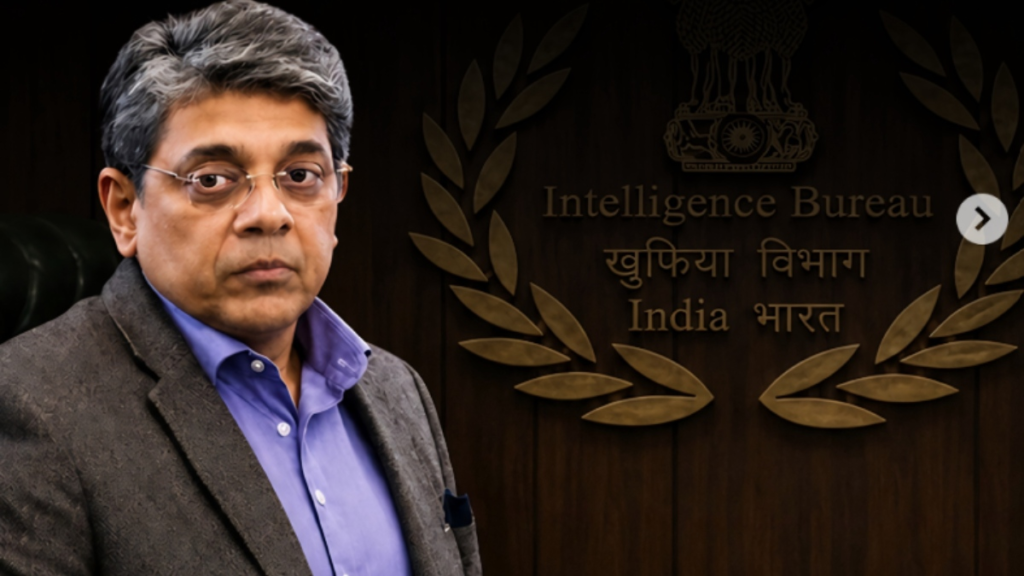
Mahesh Dixit’s professional experience appears well suited to these demands. Throughout his career, he has earned a reputation within the security establishment as a meticulous officer with a strong operational orientation, known for disciplined execution and sustained engagement with complex assignments. Such attributes assume particular importance in intelligence work, where patience, discretion, institutional memory, and consistency often determine operational success.
Perhaps the most significant dimension of his professional profile is his extensive experience in Jammu and Kashmir, a region that has remained one of India’s most demanding intelligence theatres for decades. Few assignments expose intelligence officers to such a complex convergence of terrorism, cross-border infiltration, ideological radicalisation, proxy warfare, local political dynamics, and information operations.
Operational experience in Kashmir provides lessons that extend beyond the Valley itself. It demands the ability to distinguish between tactical incidents and strategic shifts, understand the evolution of terrorist networks, assess changing recruitment patterns, identify overground support structures, and interpret local developments within the wider context of regional geopolitics. These experiences are likely to inform strategic decision-making at the highest levels of the Intelligence Bureau.
The security situation in Jammu and Kashmir has undergone considerable change over the past several years. Yet, the nature of the threat has simultaneously evolved. Terrorist organisations have increasingly adopted decentralised structures, hybrid militant models, encrypted communications, drone-assisted logistics, and sophisticated online propaganda. Intelligence agencies today face adversaries that are technologically adaptive, ideologically fluid, and capable of operating across physical and digital domains simultaneously.
Leadership with substantial field experience can strengthen the Bureau’s capacity to respond to these evolving challenges. Officers who have worked extensively in operational environments often place greater emphasis on integrating local intelligence, technical capabilities, and inter-agency cooperation. Such integration has become essential, particularly as security challenges increasingly cut across institutional jurisdictions.
Equally important is the Intelligence Bureau’s expanding role in monitoring emerging domains of national security. Radicalisation no longer occurs exclusively through physical networks but increasingly through digital ecosystems. Disinformation campaigns seek to amplify communal tensions, undermine public trust, and influence public discourse. Foreign intelligence services increasingly employ cyber tools, social media platforms, and influence operations alongside traditional espionage.
These developments require intelligence institutions to continuously modernise their methods while preserving the strengths of conventional human intelligence. Technological capability can enhance intelligence collection, but it cannot fully replace field networks, institutional experience, or contextual understanding. The future of intelligence lies in combining both.
Within this evolving landscape, leadership assumes institutional significance. Directors shape organisational priorities, encourage innovation, strengthen coordination with State police forces and central agencies, and reinforce professional standards across the intelligence community. The emphasis placed on preventive intelligence, technological modernisation, capacity building, and analytical capabilities often reflects the leadership’s own operational experience.
Mahesh Dixit is also widely regarded within professional circles as a committed and hardworking officer who has consistently demonstrated a strong sense of institutional responsibility. Intelligence organisations operate largely outside public visibility, where individual recognition is limited but accountability remains immense. Officers known for diligence, integrity, and sustained commitment often contribute to strengthening organisational morale and operational discipline.
His appointment also reflects the broader evolution of India’s internal security doctrine. The emphasis today is increasingly on prevention rather than reaction, intelligence-led policing rather than post-facto investigation, and integrated security responses rather than isolated institutional functioning. The Intelligence Bureau occupies a central position within this framework.
The challenges before the organisation remain formidable. Artificial intelligence, encrypted digital communication, transnational extremist networks, financial crime, cyber espionage, and information warfare will continue to test India’s intelligence capabilities. Meeting these challenges will require investment in technology, analytical capacity, skilled human resources, and institutional coordination across multiple agencies.
Ultimately, the effectiveness of any intelligence organisation depends less on public visibility than on its ability to remain ahead of evolving threats. Mahesh Dixit’s operational experience—particularly in Jammu and Kashmir—combined with his reputation for professionalism and commitment, provides a foundation upon which the Intelligence Bureau can continue adapting to an increasingly complex security environment.
As India’s security challenges become more interconnected and technologically sophisticated, the Bureau’s capacity for anticipatory intelligence, institutional coordination, and operational agility will become even more critical. The new Director’s tenure will be closely watched for how successfully these priorities are translated into organisational practice.