
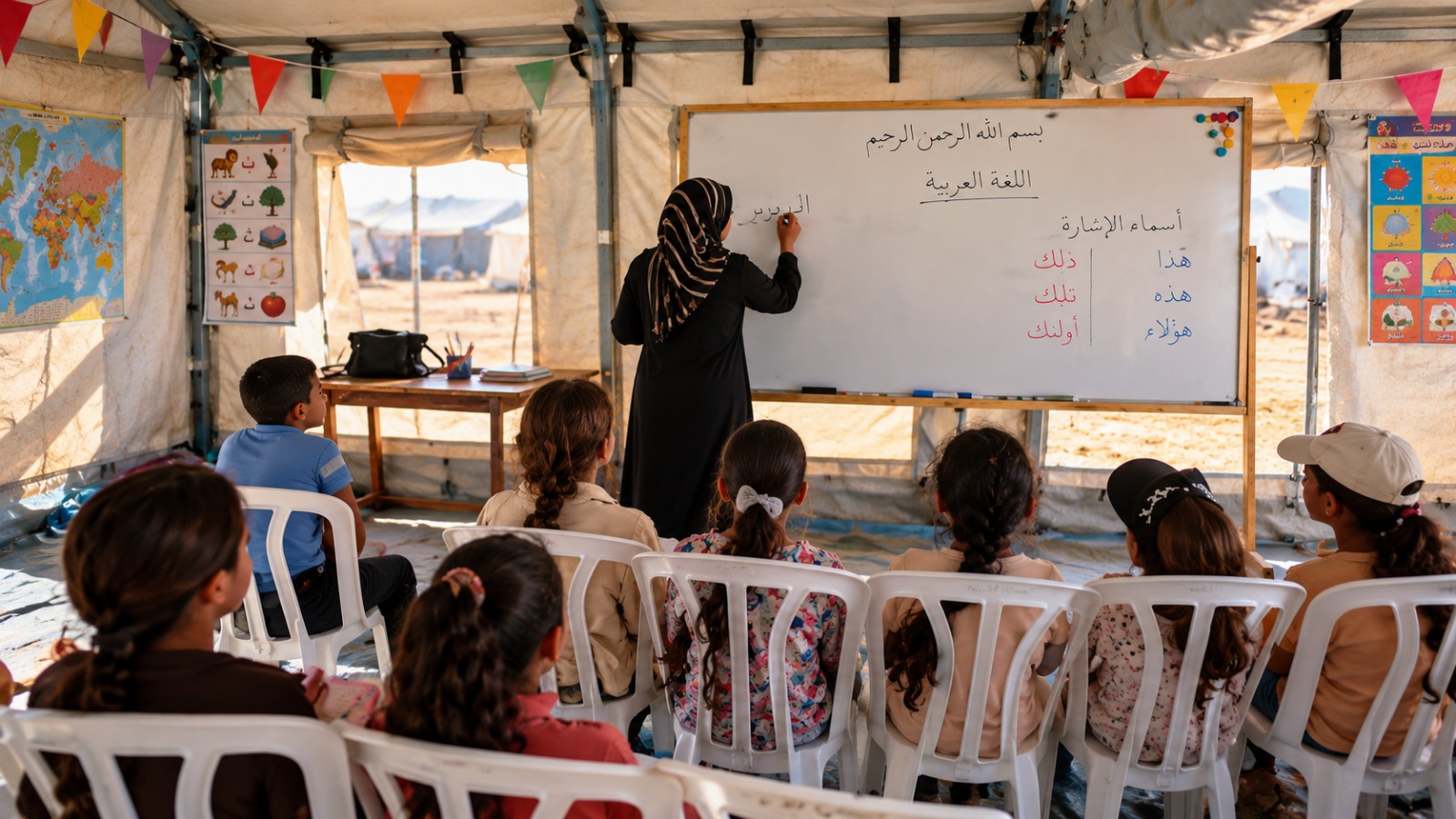
The humanitarian situation in the besieged Gaza Strip continues to deteriorate at an alarming pace, marked by relentless military escalation, severe shortages of basic necessities, and systemic hardships faced by civilians. International reports and local testimonies highlight that the ongoing blockade and military operations have pushed the enclave’s infrastructure to a near-total collapse, leaving millions of residents struggling for survival.
Hospitals and medical facilities across Gaza are facing a catastrophic shortage of essential medicines, surgical equipment, and fuel required to run emergency generators. Many health centers have been forced to suspend critical services, putting the lives of thousands of patients, including infants in incubators and individuals requiring intensive care, at immediate risk. Medical workers continue to operate under extremely dangerous and stressful conditions, often lacking even basic protective gear and sanitary supplies.
Compounding the health crisis is a severe scarcity of food, clean drinking water, and safe shelter. Humanitarian aid deliveries remain heavily restricted, failing to meet the massive daily needs of the displaced population. Thousands of families are currently living in makeshift tents or damaged buildings that offer little protection against harsh weather conditions, raising serious concerns regarding hygiene, disease outbreaks, and overall public health.
Local human rights organizations and international observers have strongly condemned the ongoing violations and restrictions on civilian movement and relief supplies. They emphasize that the blockade and military actions violate fundamental international humanitarian laws and Geneva conventions protecting civilian populations during conflict.
Calls are mounting globally for an immediate, permanent ceasefire, the unconditional lifting of the blockade, and the unfettered entry of humanitarian aid, medical personnel, and reconstruction materials into the Gaza Strip. Without urgent international intervention and accountability, humanitarian agencies warn that the unfolding catastrophe will result in even greater loss of life and irreversible long-term damage to the region’s social and economic fabric.