
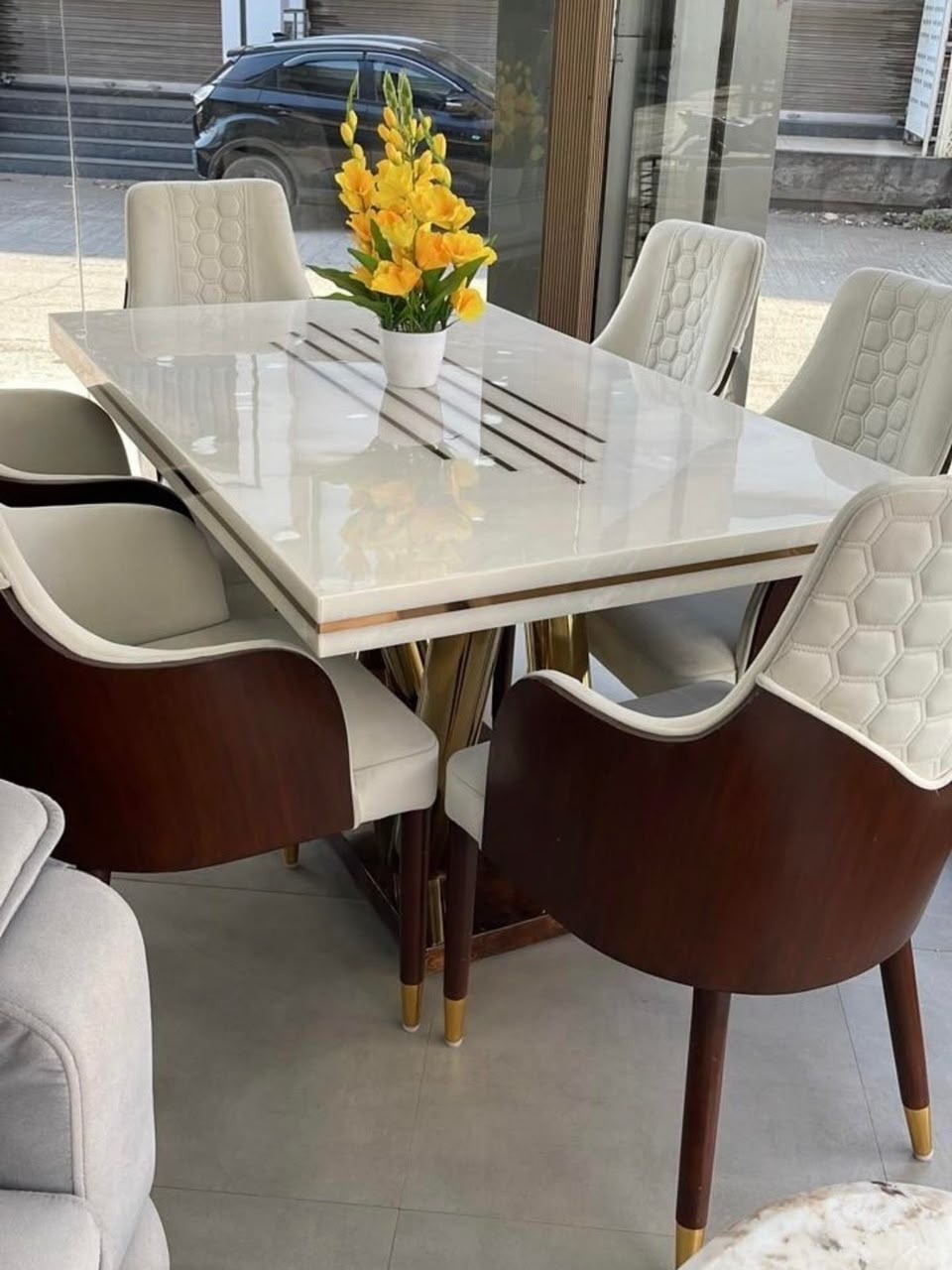
When people hear the name Sambhal in western Uttar Pradesh, recent headlines often come to mind. Yet, beyond the news lies another story one of creativity, resilience, entrepreneurship, and craftsmanship. For generations, the Muslim artisans of Sambhal have quietly transformed natural horn and bone into exquisite works of art that decorate homes, luxury hotels, boutiques, and galleries across the world. Their work is not merely a craft; it is a living heritage that showcases India’s rich cultural traditions on the global stage.
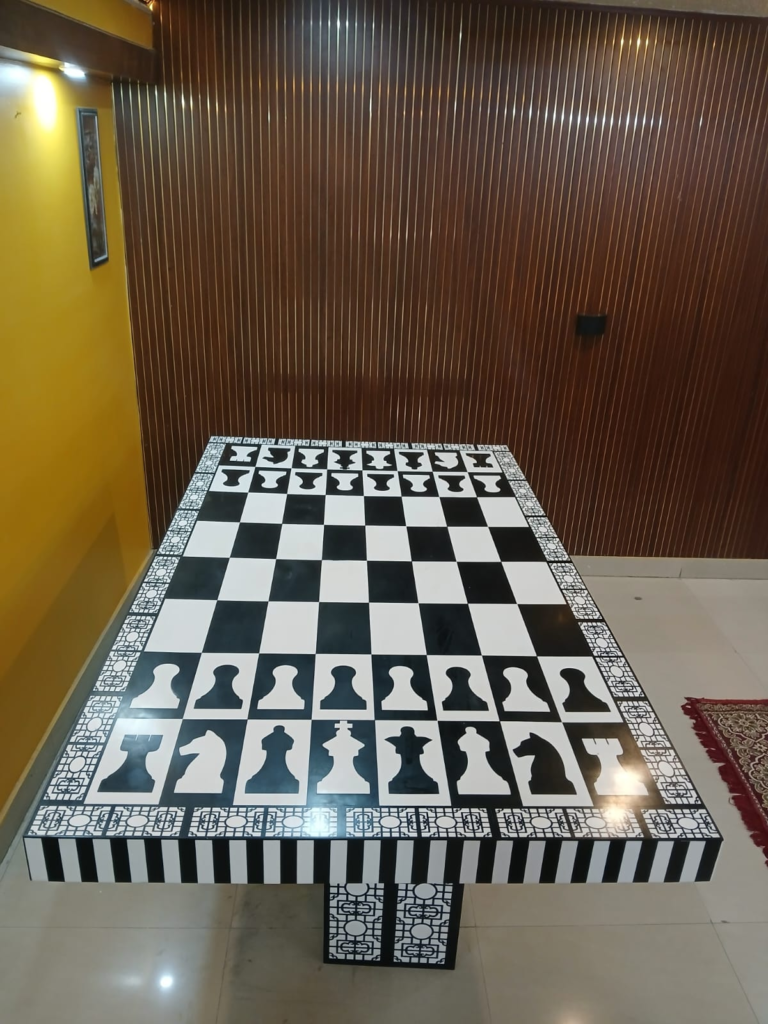
Today, Sambhal is internationally recognised as one of India’s leading centres for Horn & Bone Handicrafts, a craft that has earned recognition under the Uttar Pradesh Government’s One District One Product (ODOP) initiative and enjoys GI-tag status. Skilled artisans produce decorative artefacts, furniture, jewellery, photo frames, cutlery, buttons, combs, boxes, and luxury home décor that are exported to Europe, North America, the Middle East, and many other international markets.
The story of Sambhal’s handicraft industry is the story of families whose skills have been passed from one generation to another. Using horns collected from naturally deceased buffaloes and cattle, artisans carefully clean, shape, carve, polish, and finish each piece by hand. Every product reflects hours of meticulous craftsmanship, artistic imagination, and patience. Unlike mass-produced factory goods, every handcrafted item carries the unique signature of the artisan who created it. This dedication to quality has enabled Sambhal’s products to compete successfully in some of the world’s most demanding markets. The craft also reflects India’s traditional commitment to sustainability. By converting discarded natural materials into beautiful and useful products, these artisans demonstrate how traditional knowledge can contribute to environmentally responsible production.
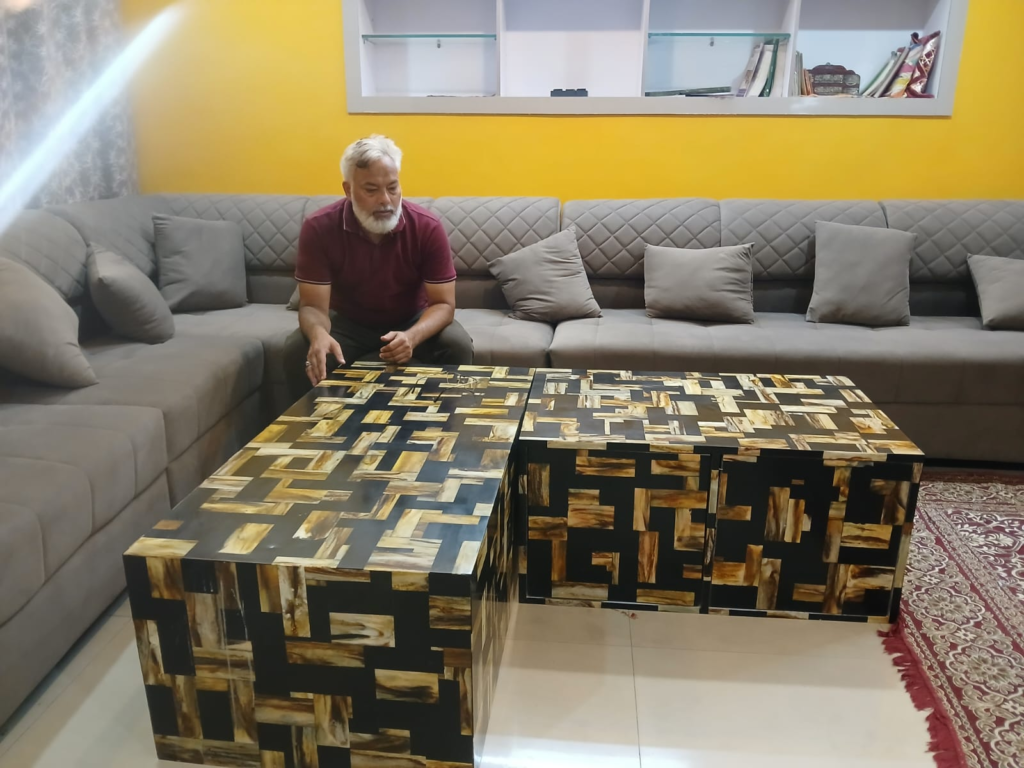
A large section of Sambhal’s horn and bone handicraft industry has been built and sustained by Muslim artisan families living in areas such as Sarai Tarin. For decades, these families have preserved techniques that cannot easily be replicated by machines. Their workshops provide employment to thousands of craftsmen, polishers, designers, packers, exporters, and logistics workers, creating an ecosystem that supports numerous households. Their contribution extends far beyond Sambhal. Every exported handicraft represents Indian craftsmanship, Indian entrepreneurship, and India’s cultural richness before an international audience. These artisans serve as ambassadors of India’s soft power, proving that traditional skills remain globally relevant in the modern economy.
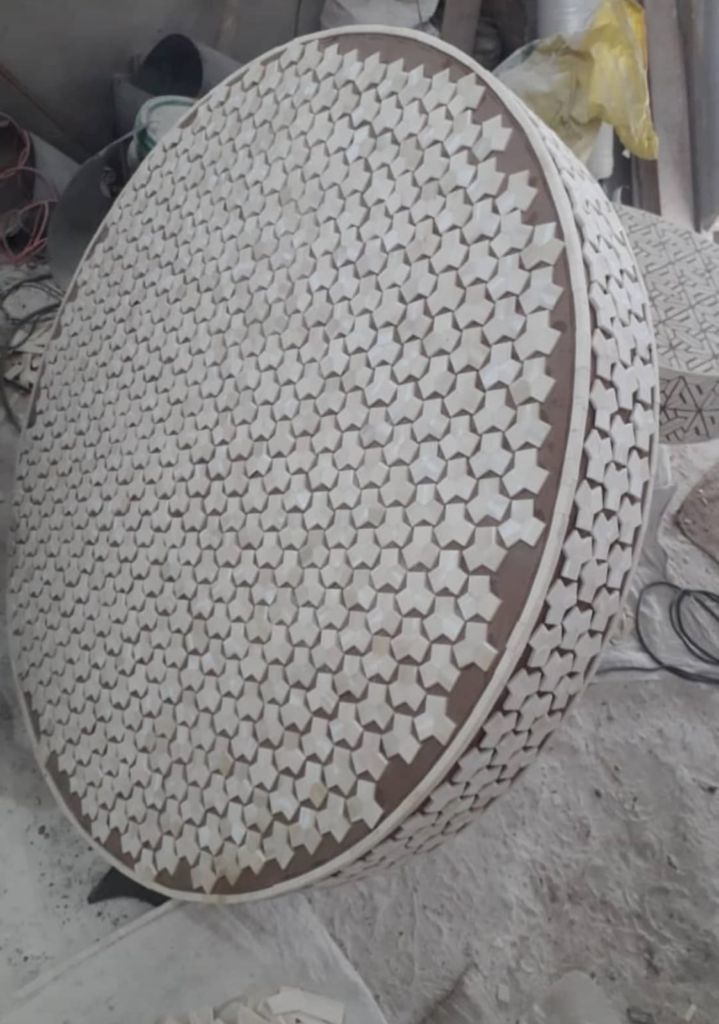
One inspiring example of this entrepreneurial spirit is Rivaay Decor, a premium home décor brand established by Najamul Hasan and Hanzala Hasan . The founders inherited a remarkable legacy from their grandfather, Late Hafiz Abdul Qayyum, who established Horn Comb & Kanghi in Sarai Tarin, Sambhal, in 1942. Inspired by his pioneering vision, the family has continued to preserve and modernise this centuries-old craft for new generations. Today, Rivaay Decor combines traditional Indian craftsmanship with contemporary design. Its collection includes handcrafted bone inlay furniture, mirrors, cabinets, tables, decorative accessories, and luxury home décor that appeal to customers around the world. Rather than allowing traditional craftsmanship to disappear, the founders have embraced innovation, quality standards, digital commerce, and international marketing to ensure that Sambhal’s heritage reaches global consumers.
As the founders Najmul Hasan express through their family journey:
“Our legacy is a tribute to the vision and determination of our grandfather, Late Hafiz Abdul Qayyum, whose pioneering work continues to inspire us to preserve and elevate Sambhal’s craftsmanship for the world.”
Their business philosophy reflects a simple but powerful belief: traditional Indian craftsmanship can successfully compete in international markets when combined with innovation, quality, and customer trust. Their journey also reflects confidence in India’s growing global reputation as a manufacturing and design hub, where local craftsmanship can create products appreciated across continents.
The success of Sambhal’s handicraft industry is measured not only by exports but also by livelihoods. Thousands of artisans depend upon this traditional industry for employment. Young entrepreneurs are increasingly introducing modern designs, online marketing, sustainable sourcing, and international branding while respecting the traditional techniques inherited from their elders. Government initiatives such as ODOP have further strengthened the sector by promoting branding, skill development, financial assistance, and market access for local artisans. This has enabled many small manufacturers and exporters to expand into international markets.
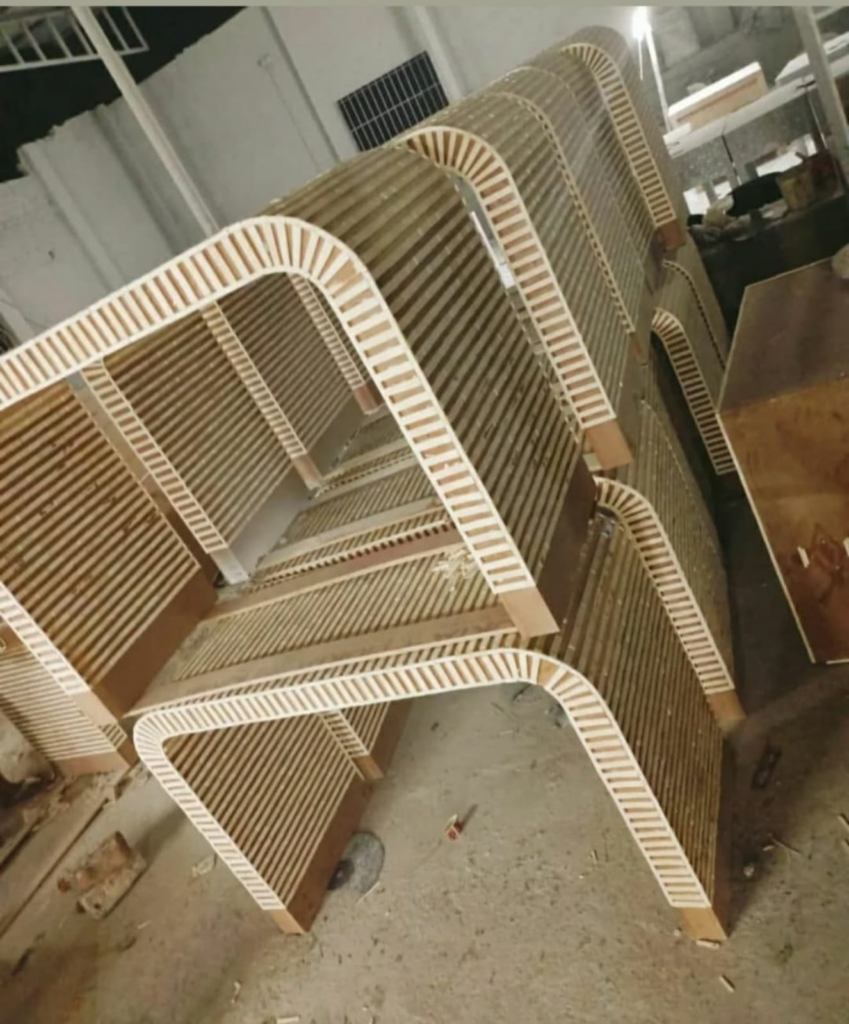
In today’s rapidly changing economy, Sambhal offers an inspiring lesson. Its Muslim artisans have demonstrated that preserving cultural heritage and embracing global business are not opposing goals they complement each other. Every handcrafted photo frame, decorative box, table, mirror, or piece of inlay furniture exported from Sambhal carries with it the story of generations of skilled Indian craftsmen who have transformed traditional knowledge into global excellence. Their success reminds us that India’s greatest strength lies in its people its artisans, entrepreneurs, and innovators who continue to build bridges between tradition and modernity.
As India expands its presence in global manufacturing and exports, the Muslim artisans of Sambhal deserve recognition as important contributors to this national journey. Their work not only strengthens local livelihoods but also enhances India’s image as a country where craftsmanship, creativity, sustainability, and entrepreneurship flourish together. Sambhal’s horn and bone handicrafts are therefore much more than decorative products they are symbols of India’s living heritage, cultural diversity, and the extraordinary contribution of its Muslim artisan community to the nation’s economic and global success.