
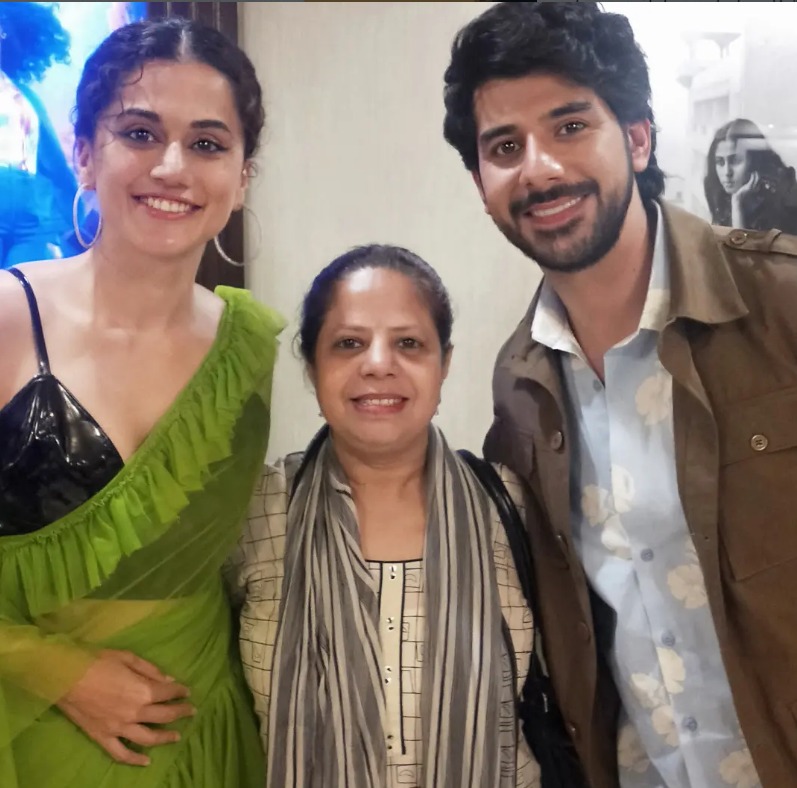
In the ever evolving landscape of Indian journalism, the story of Rana Siddiqui Zaman stands as a powerful testament to perseverance, individuality, and quiet rebellion against societal norms. Her journey is not just about professional success it is about carving an identity in a field where expectations, especially for women from traditional backgrounds, were often limited. Born into a middle class Muslim family in Asansol West Bengal in the 1970s, Rana’s early life was shaped by both cultural values and societal pressures. Like many young girls of her time, her career choices were influenced by expectations rather than personal passion. She initially chose the science stream, aspiring to become a doctor to fulfill her parents’ wishes. However, her heart lay elsewhere. From a young age, she displayed a deep inclination toward writing, poetry, and cultural activities early signs of a journalist in the making.
Her turning point came when she made a bold and defining decision to leave science and pursue the arts. This was not just a change of subjects but an assertion of her individuality. She went on to study at Aligarh Muslim University, where she excelled academically and secured top ranks in her Master’s degree in English literature. Despite academic success, the path ahead was not easy. Journalism, especially in the 1990s, was not widely considered a suitable profession for women from conservative backgrounds. Yet, Rana chose to follow her passion. In 1995, she moved to Delhi a step that required courage and conviction and began her career with an English newspaper. Here, she honed her skills, gaining recognition for her insightful writing and sharp reporting. Her professional journey was marked by both achievements and challenges. She worked across diverse beats, including politics, aviation, health, and law enforcement, proving her versatility as a journalist. However, she often found herself being limited to what are commonly called “soft beats.” Instead of viewing this as a setback, Rana turned it into an opportunity. She carved a niche in writing about cinema, culture, and performing arts areas where she eventually became a respected voice.
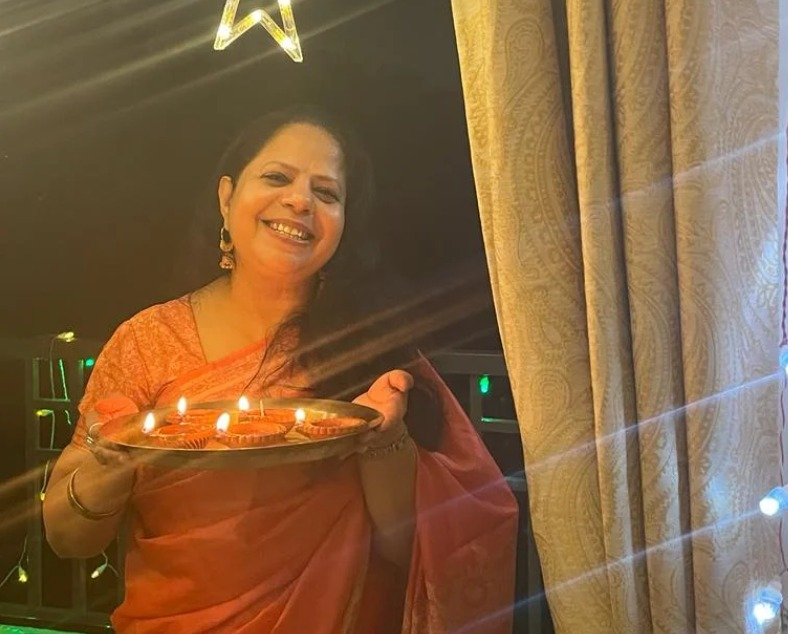
Her association with The Hindu further cemented her reputation. Her columns were known for their balanced, credible, and insightful analysis. She conducted memorable interviews with renowned personalities, including music maestro A. R. Rahman, showcasing her depth of understanding and ability to connect with creative minds. One of the most inspiring aspects of Rana’s journey is her commitment to maintaining her individuality. Early in her career, she faced situations where professional spaces blurred with personal or religious expectations. She chose to stand firm, believing that one’s work should define them rather than external identities. This quiet assertion of independence reflects her strength of character and clarity of thought.
In recent years, Rana has embraced the changing media landscape. With the rise of digital platforms, she has reinvented herself, taking on new roles and freelance projects. Even after decades in journalism, her willingness to adapt and grow highlights her enduring passion for storytelling and communication. Today, Rana Siddiqui Zaman is not just a journalist but an inspiration for aspiring writers especially women who wish to break free from societal constraints. Her story teaches us that success is not merely about reaching a destination but about having the courage to choose one’s own path.
Her journey reminds us that sometimes, the most powerful revolutions are not loud or confrontational they are quiet decisions to follow one’s passion, to stand by one’s beliefs, and to keep moving forward despite challenges.